








































Features to Look For When Buying a Refrigerator
Nov 20, 2019 08:17
There are a few variations in clothes washers, but all washing machines are basically big tubs that fill with water, agitate to scrub clothes, and spin to wring out the water. Of course, in addition to these basic functions, they may have any number of sophisticated functions, particularly with the controls. Most types incorporate some type of electronic timer and control
Because a washing machine is a large consumer of both energy and water, the key to selecting the right one is to purchase the most energy-efficient model that fits your lifestyle and space and to always use the right amount of detergent for the washer and your water hardness.
In terms of lifestyle, think about how often you use the washer and what you wash. If you wash often, you will get the best performance from a stainless-steel tub. Those who wash less frequently will probably do fine with porcelain-coated steel or high-grade plastic.
If your wash includes a variety of fabrics and levels of dirtiness, choose a machine that offers specialty cycles such as delicate and extra soak, as well as one for a second rinse. Multiple water-level settings ensure the most-efficient wash for loads of different sizes. Some machines can boost water temperature to sanitize a load.
For those with limited space, there are stacking washer-dryer units in either full-size or apartment-size capacities. Remember that the size of your washer should match your dryer’s capacity.
Other items to consider are automatic temperature regulators—a must in cold climates, they ensure that wash water comes in at a constant temperature for the setting—and additional insulation and reinforced frames, both of which reduce noise.
When buying a new washer, pay careful attention to the warranty. Be clear about both the term and the extent of the the coverage. Also be aware that some washing machines are much easier to work on than others. Some new types have a cabinet that is easy to detach and lift off for easy access to the parts.
There are two styles of washers: top-load, which is the most common, and front-load, which provides the greatest energy efficiency.
Top-load
This machine, also known as a V-axis because the agitator turns on a vertical axis, allows you to access the wash tub without bending. While a top loader costs less initially, it is less energy-efficient in the long run. It uses regular detergent and offers the greatest selection of models and options.
Front-load
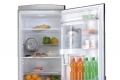
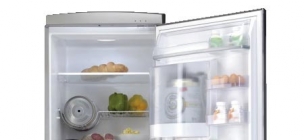
Called an H-axis When you are shopping for a new refrigerator, there are several features to look for:
* Large door shelves that can be adjusted. One type of shelf, for example, is just the right size for two half-gallons of milk or juice.
* Glass rather than wire shelves with spill-catching lips.
* Leveling legs to make the unit perfectly plumb and stable.
* Shelves that pull out, fold up and down, or roll up and down (called elevator shelves).
* Racks that dispense soda pop cans or hold wine bottles.
* In the freezer section, glide-out baskets and shelves, as well as storage space specially sized for large items.
* A freezer light.
* See-through compartment doors.
* Ice/water dispenser. Ice can be ordered crushed or cubed. This feature has long been available in side-by-sides; now it's available in some top-mount models.
* Some refrigerators are tall enough to accommodate pitchers, and many have water filters.
* A refreshment center door that provides easy access to frequently used items.
* Customized temperature control for different areas—for example, the deli drawer, crispers, and butter compartment.
because its agitator turns on a horizontal axis, the front-load machine is gaining in popularity because of its energy efficiency. This type uses from one-third to one-half the amount of water of a top loader, which means that much less heating. And, because it spins faster, clothes come out needing less time in the dryer. Although they save on energy costs, front loaders are more expensive at purchase, and some require a special detergent. To help you find the perfect refrigerator for your kitchen, check this best French door refrigerator without a water dispenser.