
























































This Gadget will Zap You if You are Lazy
Dec 17, 2013 23:10
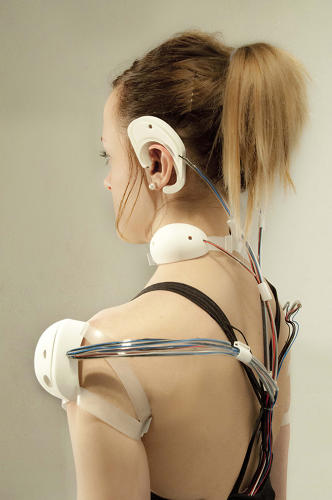
If you're having trouble concentrating at work, you might need one of these laziness-punishing devices that will zap you to alertness.
The device isn't on the market, but their existence is possible to make using readily-available electronic parts. London designer Ling Tan wanted people to start thinking a little more critically about the proliferation of self-tracking devices that measure everything from how much sleep we get, to how many steps we take a day.
“I wanted to highlight the potential invasiveness of wearable technology and its long-term effect on the user,” Tan says.
So she designed 12 different sets of portable, wearable feedback devices, and wore each of them herself for three to four hours to test them out. Her brain-reading device, intended to help someone stay constantly alert while they're at work, showed her exactly how hard it is to concentrate.
“You can never fully control your brain activity, in this case, your attention level,” Tan says. “You can definitely focus your attention on something or an object for a few seconds or minutes, but the moment you start thinking about other stuff in your mind, your attention level will vary or fluctuate.”
But the device can't actually read your mind, and it can't tell if you're focusing on your job or intently reading your Facebook news feed.
“Right now, most of the consumer devices capitalize only on the user’s visual ability to understand information as compared to other body senses,” Tan says. “This project informs the immense potential and possibility of employing other body sense to effectively change a person’s behavior over time.”