


















































Luxury Labels Need To Step It Up If They Want To Appeal To China's Consumers
Nov 12, 2013 22:51
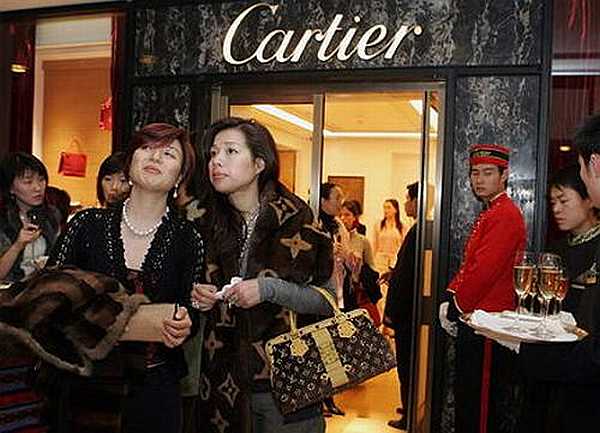
According to Credit Suisse’s luxury goods analyst Rogerio Fujimori, Chinese buyers now account for about a quarter of all global luxury goods sales. That's a larger share than any other country. But these days, the success or failure of a high-end brand in the country is more than just about making sure that the label is prominent enough.
Like the Chinese economy itself, the country’s luxury goods sector has also matured and their increasingly discerning consumers want more than just another logo-emblazoned designer handbag. In fact, the latest China Luxury Survey reports that sales of these logo-heavy bags are starting to lag.
“Louis Vuitton and Gucci are more established in China than other labels,” explains Fujimori. “But today, they’ve got real competition. Prada, in particular, is doing well with its less flashy, more low-key style.”
According to Fujimori, labels like Bottega Veneta, Burberry, Chanel, Coach, Hermès, Tiffany, and Hong Kong-based Chow Tai Fook are now the ones who making an impact among local consumers. If things continue this way, European fashion houses and other luxury purveyors will have to start shaping their future lines with Chinese consumers in mind if they expect to thrive in the country. For more on this, read the full post via The Financialist