






























Think Twice Before Buying Breast Milk Sold Online
Oct 22, 2013 19:32
The internet is like a magical portal where you can access just about anything your heart desires (for the right price of course). Not surprisingly, this has led to a rise to some pretty odd purchases, one of which is human breast milk.
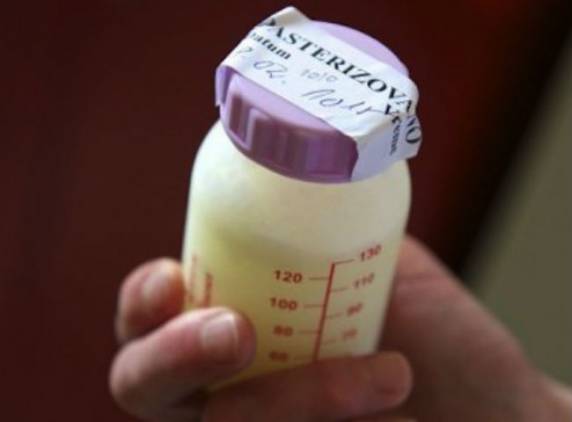
For those of you who think it's perfectly okay to ask a lactating stranger on the internet to supply you with their secretions, think again. A new study has found that the milk donated through either swaps or sold on the Internet often contains high levels of potentially dangerous bacteria. Here's what researchers found after collecting and testing 101 random breast milk samples from two popular milk-sharing sites:
NYT
For those of you who think it's perfectly okay to ask a lactating stranger on the internet to supply you with their secretions, think again. A new study has found that the milk donated through either swaps or sold on the Internet often contains high levels of potentially dangerous bacteria. Here's what researchers found after collecting and testing 101 random breast milk samples from two popular milk-sharing sites:
The researchers found that 64 percent of the samples from milk-sharing sites were contaminated with staph, 36 percent with strep, and almost three-quarters with other bacterial species. Three of the samples contained salmonella.
As for how the bacteria got there, the theory is that it might have come from the woman's skin, her pump, or from improper shipping methods. So while breast might be best, it's always better to know where it's coming from before feeding it to your vulnerable kid.NYT