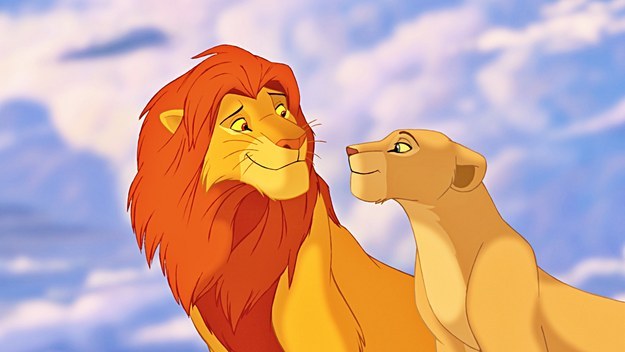
In Lion King, Simba and Nala end up together. They're like the Jay-Z and Beyonce of the jungle. Heck, they've even got a second movie.
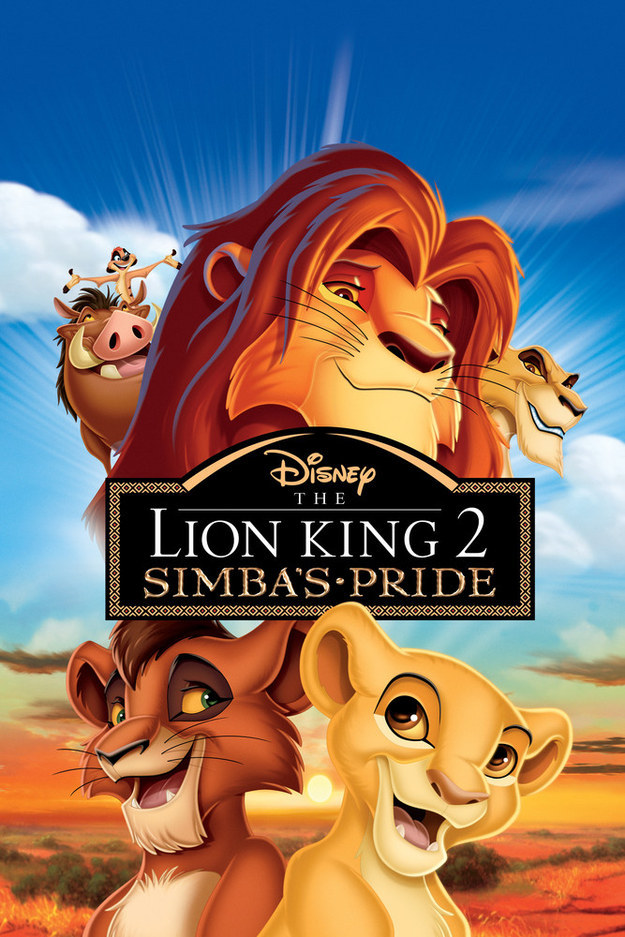
Check out their family in The Lion King 2: Simba's Pride:
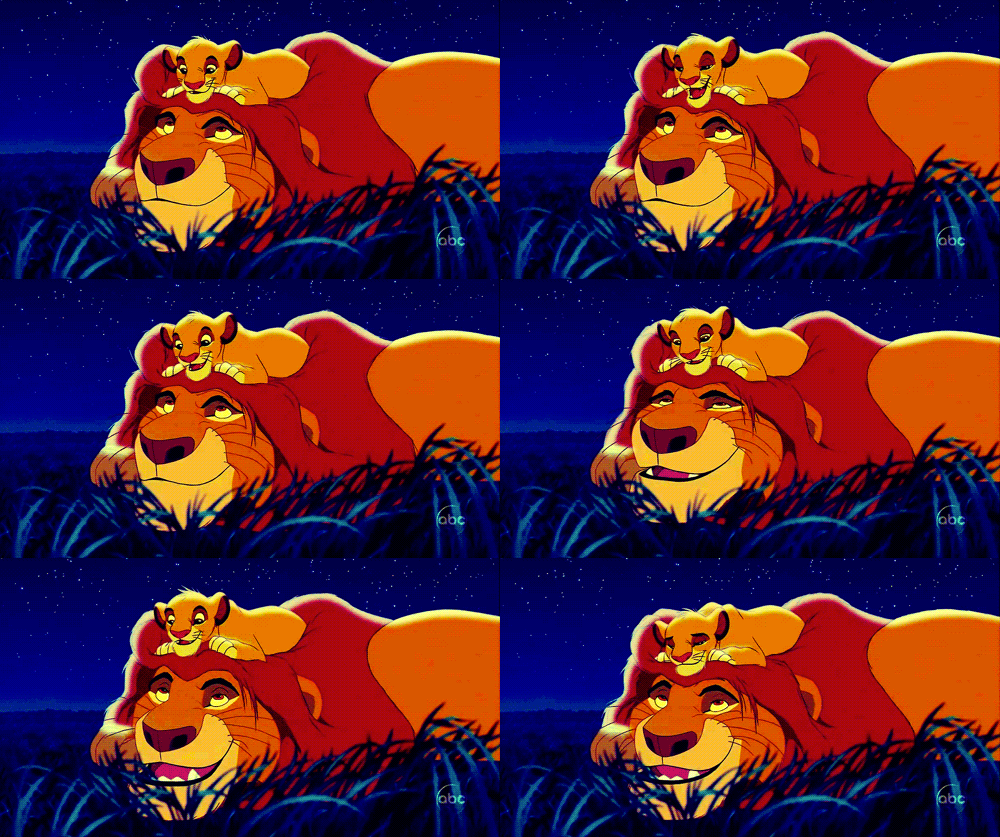
But let's look further back. Mufasa is Simba's dad. It's a fact.
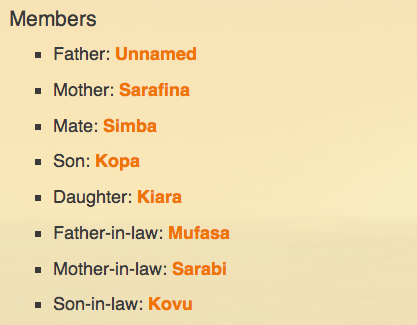
What's not known though, is who is Nala's father?
This theory is going to gross you. Are you prepared? It could be Scar.

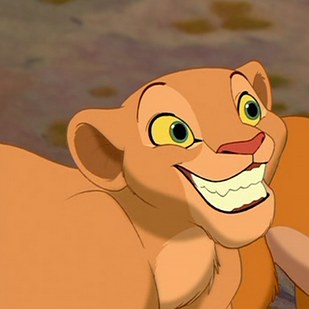
Sounds ridiculous but think about it: Nala and Scar have the same colored eyes.
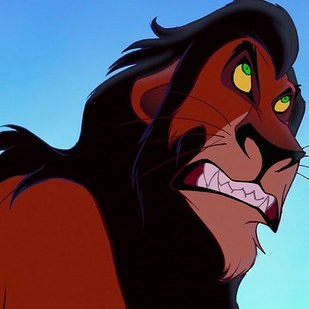
A study from the University of Minnesota says that female lions prefer a darker mane and are more likely to mate with one, making Scar a rockstar among the pride.
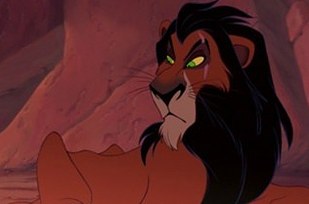
The most dominate male mates with all the females. Male lions want to win fights without fighting so they look at each other's mane. The darker the more badass.

Directors Roger Allers and Rob Minkoff were asked who Nala's father was in a 2004 panel and they said:
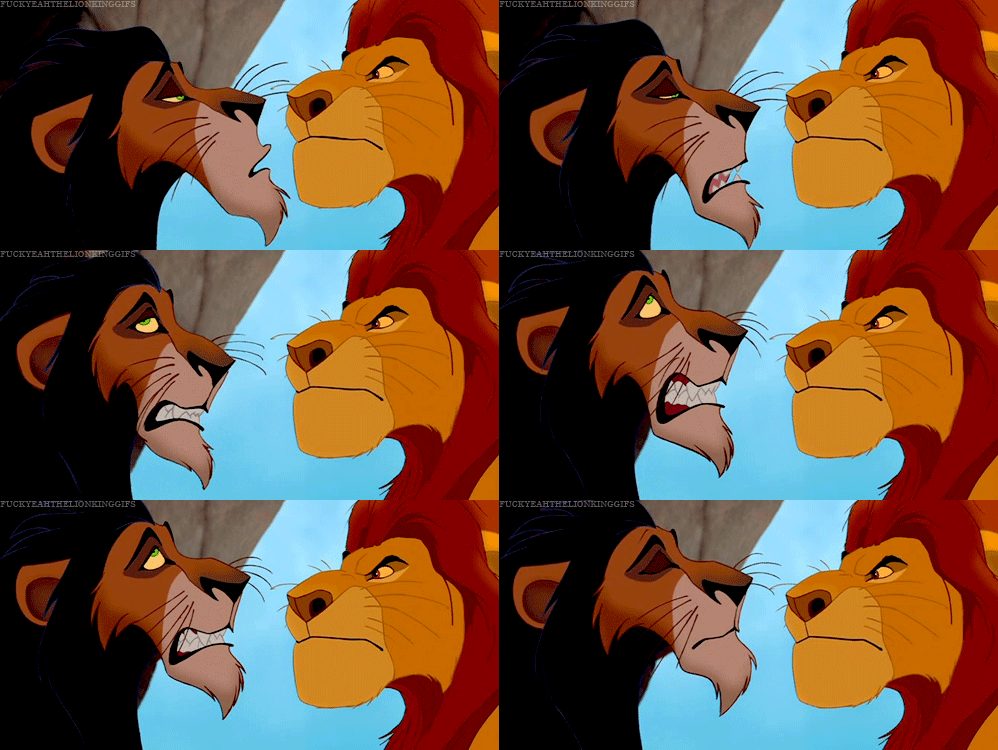
“Finally, after talking a little bit about how lions operate in real-life prides, Minkoff said, sort of muttering into his sleeve, that the general assumption was that Nala’s father was ‘either Scar or… Mufasa’.”
We know Mufasa and Scar are brothers.
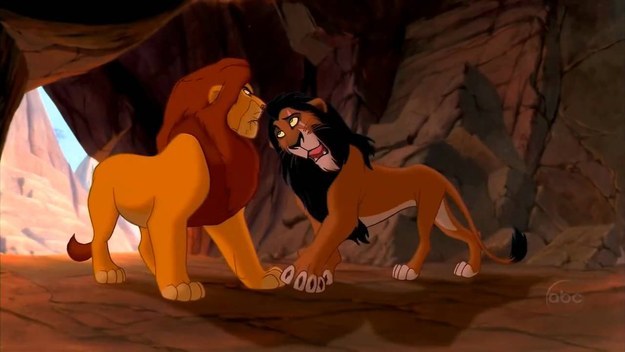
And since the both of them look very dominant too, it's not surprising to think they banged every lioness in town.
Are Nala and Simba brother and sister?