





















































Watch The Super Cute Video of Parents Teaching Their Babies How to Swim [VIDEO]
Apr 17, 2014 18:34
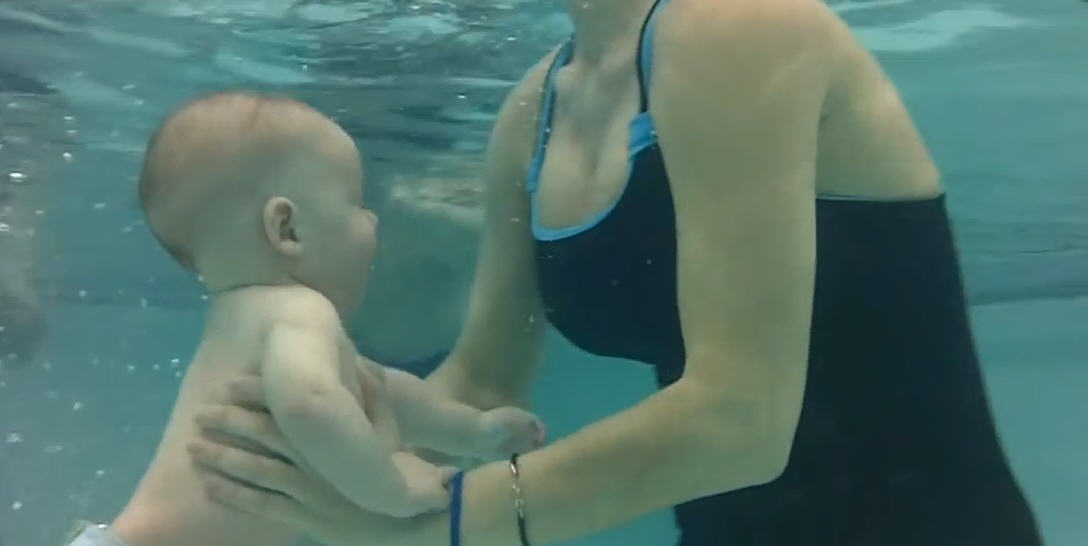
Thinking of introducing the pool to your baby? Afraid that he or she might not like it? Don't worry. According to Babycenter, babies are natural born swimmers. They basically have two reflexes that make them appear to be good swimmers. Here's an excerpt from this post:
The dive reflex
This reflex, also called the bradycardic response, causes babies to hold their breath and open their eyes when submerged, says Jeffrey Wagener, a pediatric pulmonologist in Denver. Parents can get this same reaction by blowing in their baby's face. The response weakens as a baby gets older, but even adults have it to some degree.Swedish researchers studying the dive reflex in 21 infants between 4 to 12 months old found that none of them inhaled water or choked during "diving" (being pulled underwater). They also noted that the babies didn't seem apprehensive about the next dive. In fact, some seemed eager to dive again!
Many infant swim programs rely on the dive reflex to allow babies to "swim" before they're old enough to hold their breath intentionally.
The swimming reflex
Until around 6 months, babies placed in water tummy-side down will move their arms and legs in a swimming motion. When the swimming reflex and the dive reflex are both engaged, a baby can look like a natural swimmer.Watch the video below:
But don't wait too long. Confidence in water can diminish as babies get older, which may possibly lead to fear, so it is best to start them swimming as early as possible. Some even do it shortly after birth.