
























































How To Spot A Good Deal Or Bargain For A Better Price
Sep 14, 2013 00:11
Everyone loves a good deal, but not everyone knows how to spot one. But the reality is that someone, somewhere, has probably gotten a better price for the same item that you just paid for. How did they spot it? And how do you bargain for the right price?
There are a myriad opportunities to save significant sums of money with a smart strategy and a dash of charm, and here's how:

Lots of folks hate the idea of haggling because they feel as though it makes them look cheap when it's really just about value for money. Please don't, however, haggle at big brands, franchises or chains (like McDonald's, Zara, Louis Vuitton) - you will look extremely ridiculous bargaining for price tags determined by upper managements who don't actually work at the store.
2. Bargains are not always what they seem.
3. Know that the best price might not always be the best price.

Sellers often inflate their prices and palm off cheap goods to get rid of old stock. Use that as motivation to not pay more than necessary for such items.

All prices on big-ticket items are negotiable, you just have to find the right sales person who can do the deal, and then have the courage to ask.

Always defer to the other party when considering a starting number to help you determine the best strategy to move forward. This is a trick that employers often use to negotiate an employee's salary by getting them to cough up a number first before slashing that figure down to something more feasible.
This really depends on the situation and product itself. If you are talking about the street market where they sell knock-offs, start with 1/3 of the price their asking before working your way up. Whatever the reaction, be polite and put on your best poker face. And don't be afraid to walk away if you think the deal isn't for you. You don't owe them.
7. Check out the competition.

Companies are entitled to make a profit, and the same can be said for their competitors, especially if they can do it for less. For slightly up-market products like electronics and luggage, get a baseline price at a large departmental store where prices are fixed. Then use that information to bargain at smaller shops selling similar items to get at least 20% less. If that doesn't work, use a little charm to see if they can throw in a couple of freebies.
8. Don't get distracted by pretty packaging!

Companies spend a lot of money on fancy packaging to lure consumers into paying more for a product with no added value that would be otherwise cheaper elsewhere.

It is always better to pay a little extra on a decent item that will last rather than pay less for something cheap that falls apart after a couple of wears. This will mentality save you a lot of money in the long run.

Instead of giving in to impulse buys, a little patience and some savvy internet researching can help you figure out when is the best time to buy the item that you want, for less. It's really worth doing your research and having a little look around to see if you can buy something cheaper online (or elsewhere) before committing to a purchase.
While these strategies might not always work, it could at least help you save some money or get something extra for your efforts. You can’t win if you don’t try, but don't take things too far by wasting time trying to haggle 30 cents off your morning cup of coffee.
There are a myriad opportunities to save significant sums of money with a smart strategy and a dash of charm, and here's how:
1. It's not about being cheap.
Lots of folks hate the idea of haggling because they feel as though it makes them look cheap when it's really just about value for money. Please don't, however, haggle at big brands, franchises or chains (like McDonald's, Zara, Louis Vuitton) - you will look extremely ridiculous bargaining for price tags determined by upper managements who don't actually work at the store.
2. Bargains are not always what they seem.
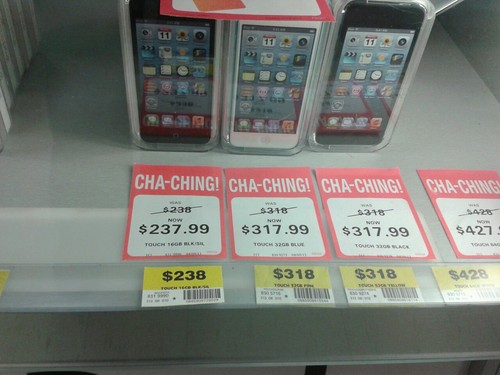

3. Know that the best price might not always be the best price.
Sellers often inflate their prices and palm off cheap goods to get rid of old stock. Use that as motivation to not pay more than necessary for such items.
4.Talk to the right person.
All prices on big-ticket items are negotiable, you just have to find the right sales person who can do the deal, and then have the courage to ask.
5. Never spit out the first number that pops to mind.
Always defer to the other party when considering a starting number to help you determine the best strategy to move forward. This is a trick that employers often use to negotiate an employee's salary by getting them to cough up a number first before slashing that figure down to something more feasible.
6. Always bid at 1/3 of the asking price.
This really depends on the situation and product itself. If you are talking about the street market where they sell knock-offs, start with 1/3 of the price their asking before working your way up. Whatever the reaction, be polite and put on your best poker face. And don't be afraid to walk away if you think the deal isn't for you. You don't owe them.
7. Check out the competition.
Companies are entitled to make a profit, and the same can be said for their competitors, especially if they can do it for less. For slightly up-market products like electronics and luggage, get a baseline price at a large departmental store where prices are fixed. Then use that information to bargain at smaller shops selling similar items to get at least 20% less. If that doesn't work, use a little charm to see if they can throw in a couple of freebies.
8. Don't get distracted by pretty packaging!
Companies spend a lot of money on fancy packaging to lure consumers into paying more for a product with no added value that would be otherwise cheaper elsewhere.
9. Don’t compromise quality.
It is always better to pay a little extra on a decent item that will last rather than pay less for something cheap that falls apart after a couple of wears. This will mentality save you a lot of money in the long run.
10. Plan ahead.
Instead of giving in to impulse buys, a little patience and some savvy internet researching can help you figure out when is the best time to buy the item that you want, for less. It's really worth doing your research and having a little look around to see if you can buy something cheaper online (or elsewhere) before committing to a purchase.
While these strategies might not always work, it could at least help you save some money or get something extra for your efforts. You can’t win if you don’t try, but don't take things too far by wasting time trying to haggle 30 cents off your morning cup of coffee.