

























































20 Strange Productivity Tips From The Greatest Thinkers
Nov 20, 2015 19:53
Do you have a strange habit of motivating yourself? Here are some 20 great thinkers of all time sharing what they'd do to be more productive. Some are interesting. Some are bizarre. But if it works, it works. Nothing to argue there.
via
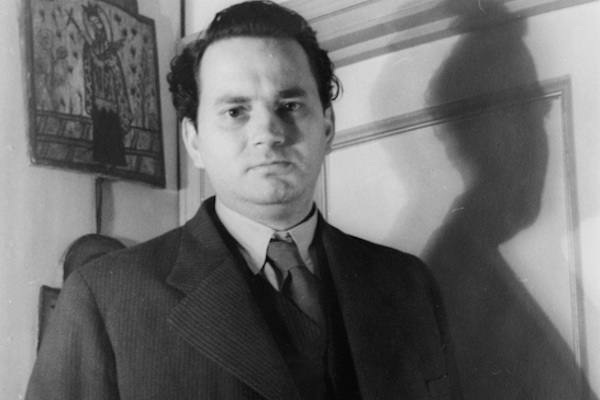
Truman Capote said, “I can’t think unless I’m lying down.”
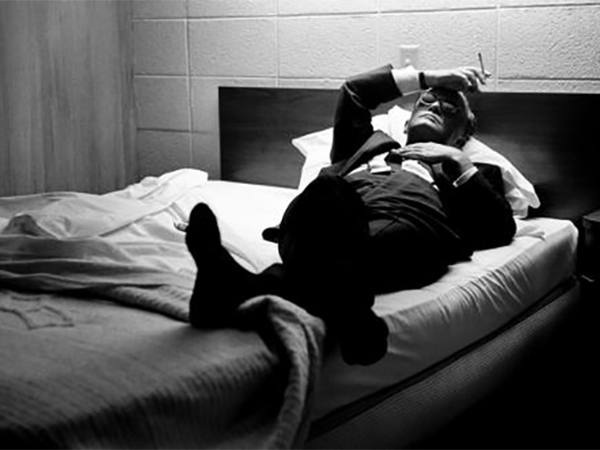
While writing The Corrections, author Jonathan Franzen wore earplugs, earmuffs and a blindfold at his desk.
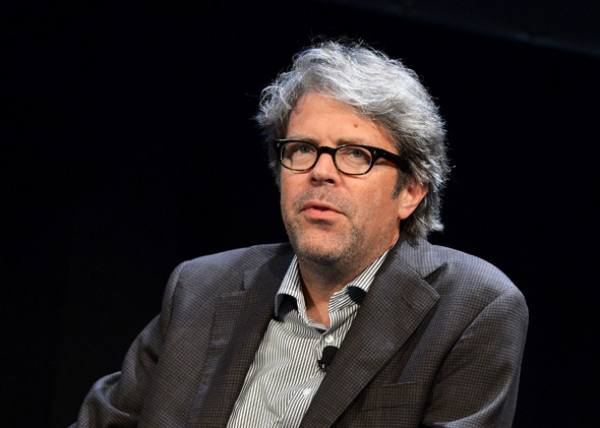
Woody Allen gets in the shower whenever he needs a mental boost.
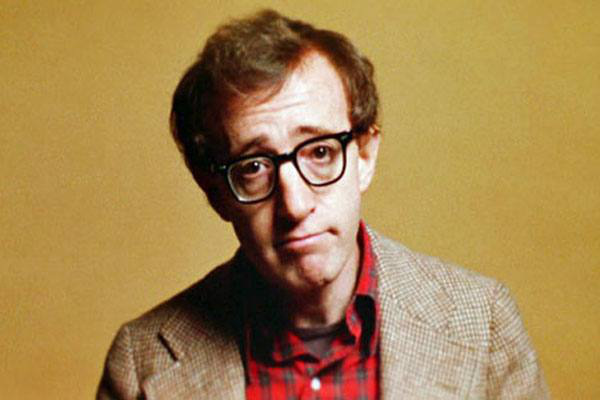
Ann Rice, author of Interview with a Vampire, slept all day and worked all night. She likes to follow this schedule to avoid distractions…or maybe she’s a vampire too.

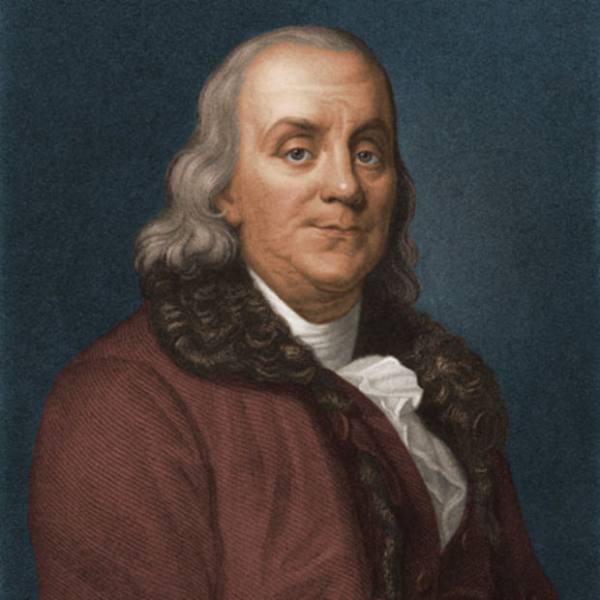
Benjamin Franklin took ‘air baths’ every morning, which consisted of him reading and writing completely naked for about an hour. Then he put his clothes back on and continued with his day.
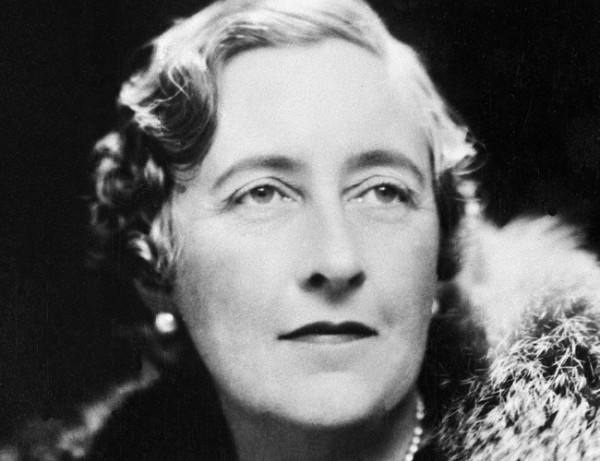
Agatha Christie never owned a desk. She wrote her 80 novels, 19 plays, and numerous other works wherever she could sit down.
Like many of us, Beethoven started his day by making coffee. He insisted on using 60 beans per cup.

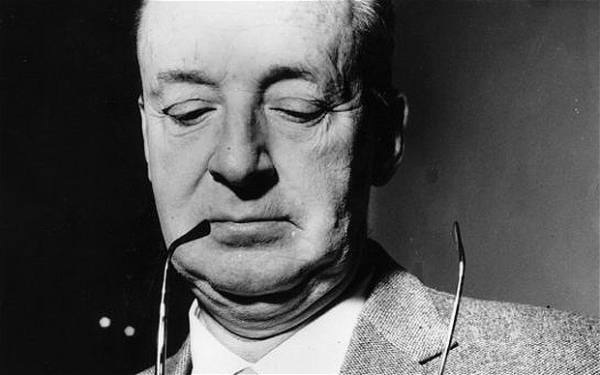
Starting in 1950, Vladimir Nabokov wrote first drafts on index cards. This way, he could rearrange paragraphs and chapters with a quick shuffle. Once the author knew what order he wanted, his wife Vera typed them into one manuscript.
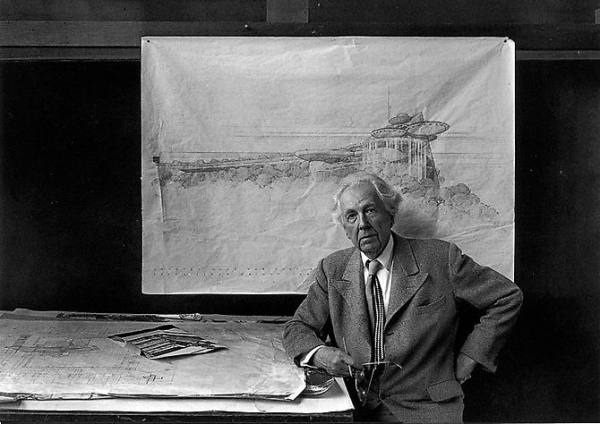
Frank Lloyd Wright wouldn’t draw out any plans until he had the whole thing completely worked out in his head.
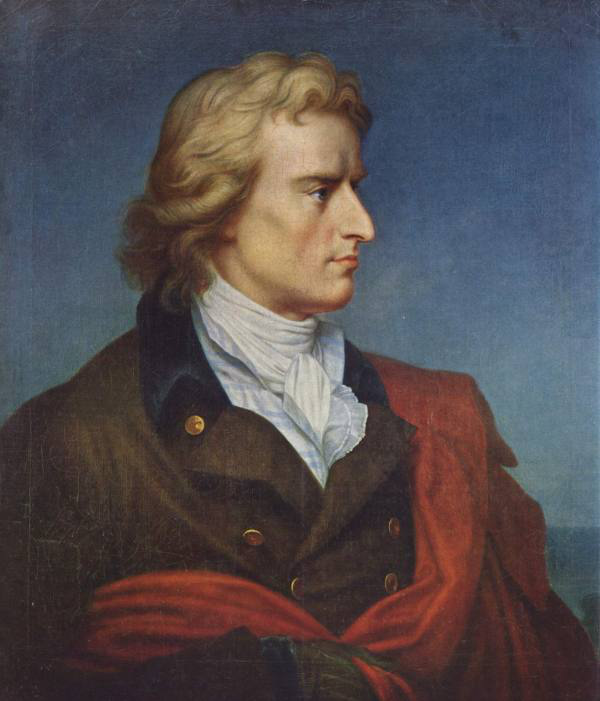
German poet Friedrich Schiller insisted that the smell of apples rotting in his desk drawer stimulated his creativity.
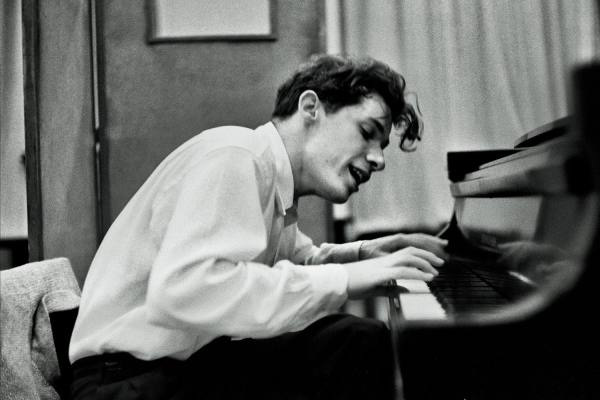
Classical pianist Glenn Gould fasted on days he recorded music. He thought it made his mind sharper.
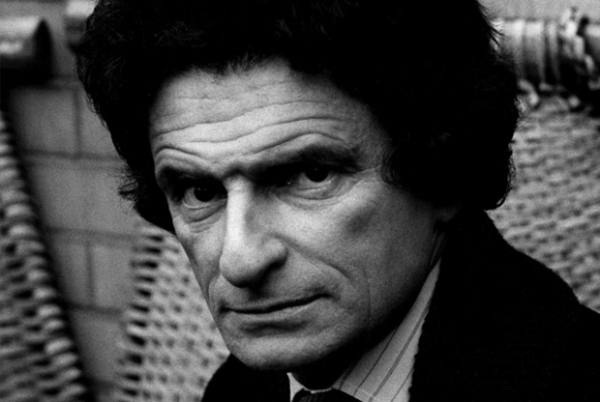
Writer Jerzy Kosinski got eight hours of sleep each day, but he didn’t get it all at once. He woke at 8 a.m. and then slept four hours in the afternoon. Then he woke again, continued working until the wee hours, and slept four more hours before starting the next day.
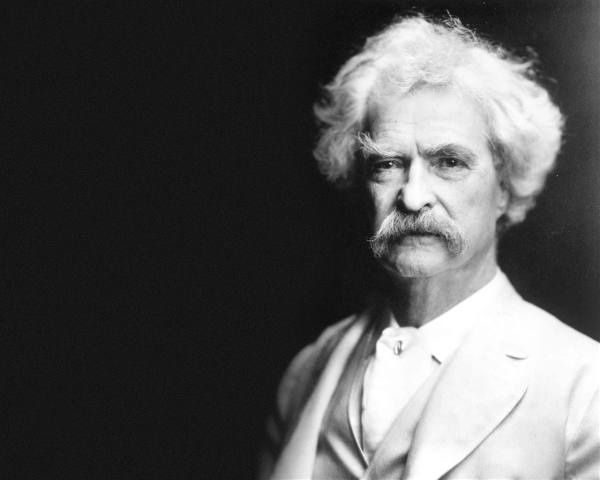
After dinner, Mark Twain read the day’s writing aloud to his family to get their feedback.
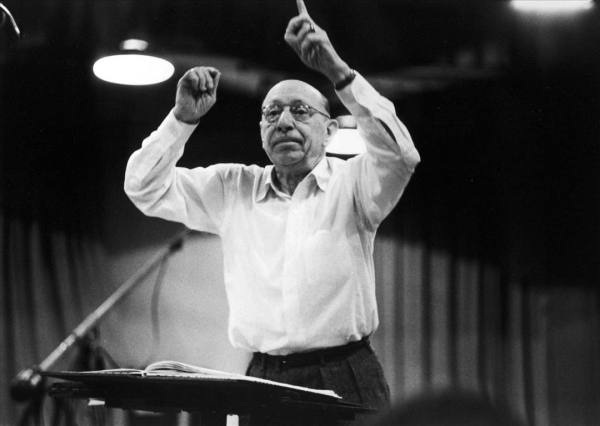
When composer Igor Stravinsky felt blocked, he’d stand on his head to clear his mind.
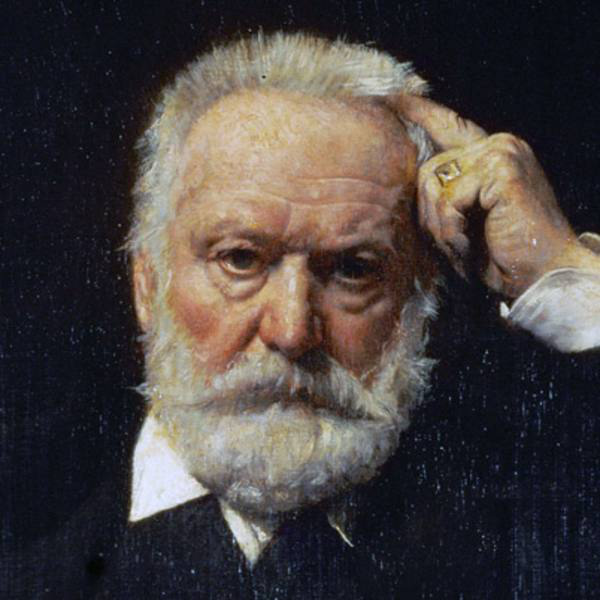
Victor Hugo ate raw eggs every morning.
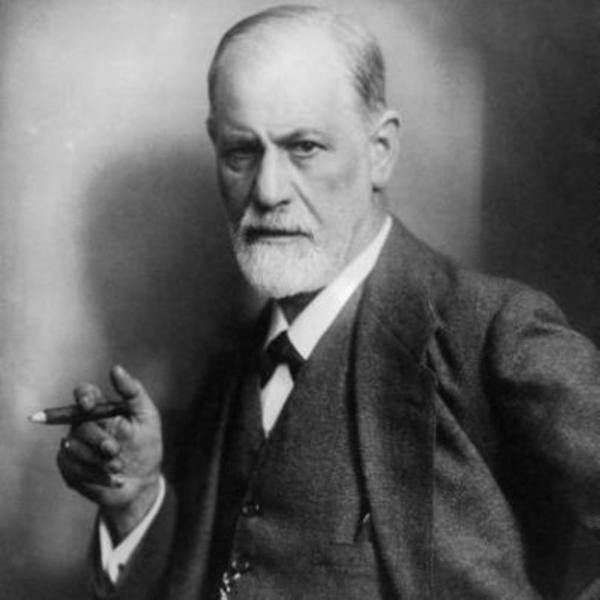
Before Freud went into the office, he got a daily house call/beard trimming from his barber.
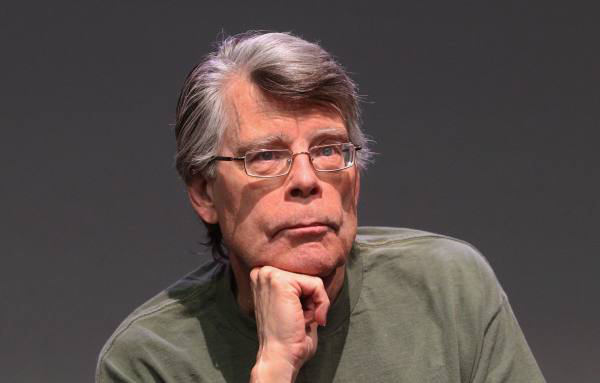
Stephen King writes every day of the year and aims for a goal of 2000 words each day. (It usually takes about five hours.)
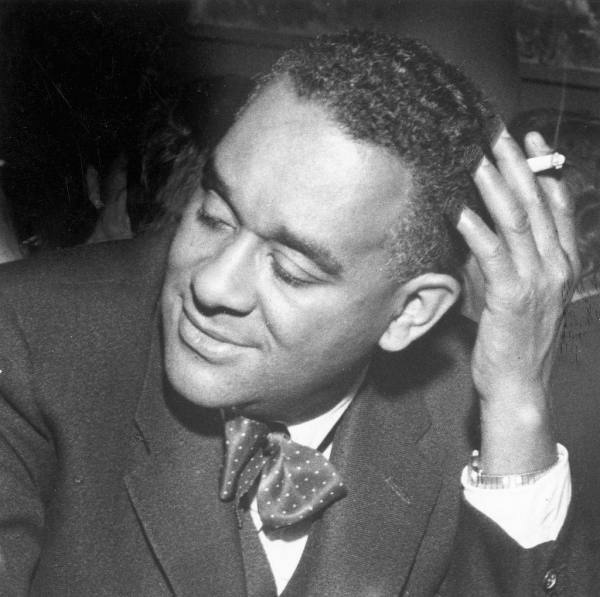
Richard Wright did all of his writing, rain or shine, on a bench in Brooklyn’s Fort Greene Park.
Ernest Hemingway wrote standing up.
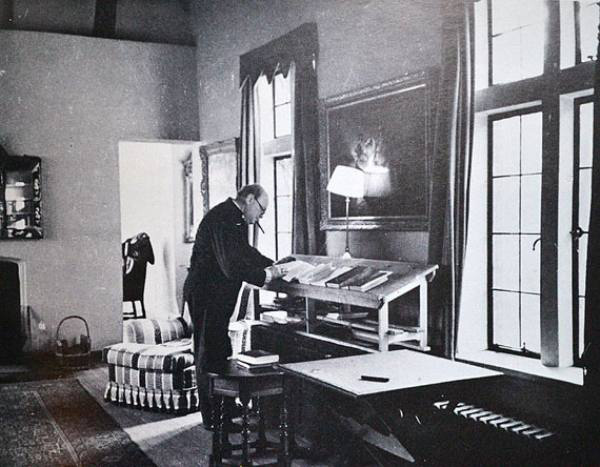
Thomas Wolfe also wrote standing up, using the top of a refrigerator as his desktop. (He was 6’6″.)