




















































Rewriting Land Acquisition Entry Points: How Experienced Modern Land Sellers in California are Leveraging Ground-Level Strategies to Make Land Affordability Real
Study Finds Women Prefer Smiling Men for Relationships and Scowling Ones for Hookups
Sep 15, 2015 06:18
Research has shown that men who don't smile are more attractive, but smiling itself has its own benefits too. According to a new study conducted by psychologists, women actually prefer men who smile as relationship material, while men who don't are better for hookups.
The study was conducted from the University of Oslo and Senshu University in Japan, gathering 218 women to rate European and East Asian subjects who were smiling or had a neutral expression on an attractiveness scale.
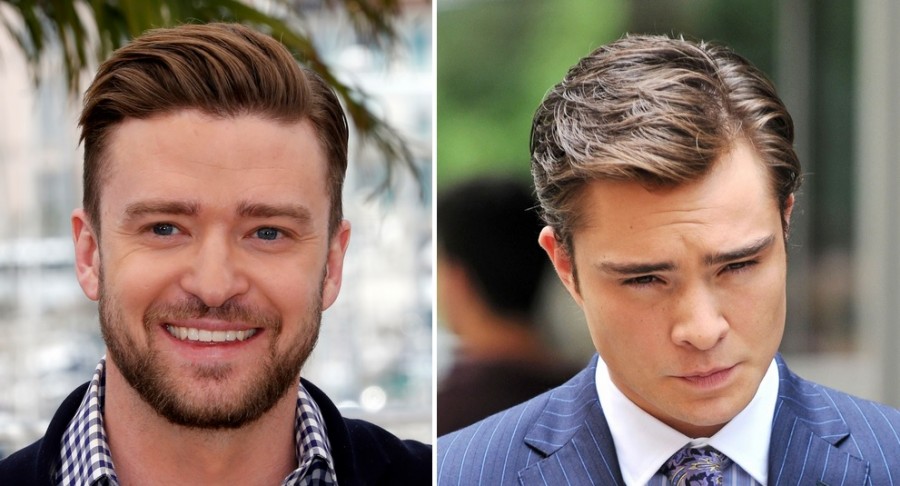
The study found that 71 women rate smiling and neutral-faced men on masculinity and trustworthiness.

Men who smiled seemed less masculine, but were more trustworthy and mature than neutral expressions.

But when they weren't smiling, they come off as more masculine, which women prefer for hookups instead.

So smile, or don't smile? What do you think? Will this be useful for your Tinder profile?
Aviator does not behave like an old casino game moved onto a screen. It feels more like something built for the screen from the start. The plane takes off, the multiplier rises, and the player has one decision to make. Cash out now, or wait and risk the round ending before they press the button. That is the basic idea behind crash games. They strip the round down to timing. The game shows the risk in real time instead of hiding it behind a spin or a dealt card. Read more
In the world of high-performance sports and bodybuilding, timing is everything. Whether you are prepping for a national qualifier or following a meticulously planned off-season "blast," your success depends on a strict schedule. Nutrition, training intensity, and pharmacological support must all align perfectly. Read more
A dermatologist in a South Mumbai clinic once remarked that her waiting room looks younger every year. Ten years ago, most of her hair loss patients were in their forties. Today, a noticeable share are under thirty, some still in college, many in their first corporate jobs, a few barely out of their teens. Read more