Back in the early 1960s, St. Paul’s Cathedral was the tallest
building in London. They also had a law that made it illegal to build
anything higher than 80 feet, after
a 12-story building blocked Queen Victoria’s views from Buckingham
Palace.
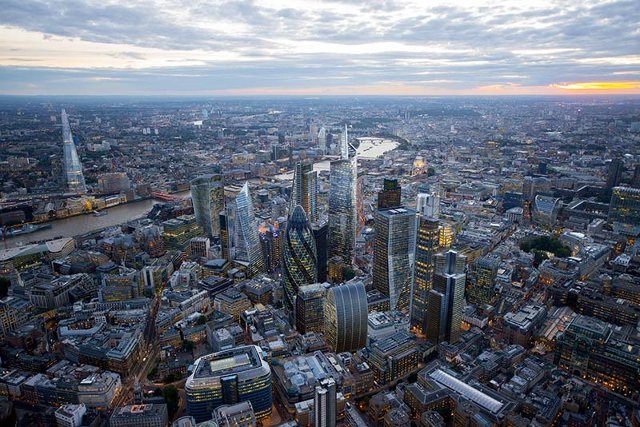
Fast forward to today, and there are now 200 skyscrapers over 20 stories high currently under construction in the city. At the rate they're going, it won't be long until the city skyline becomes completely unrecognizable.
To highlight London's inevitable transformation, Peter Murray will be organizing an exhibit at
New London Architecture (NLA) to help Londoners see what the city skyline might look like in 20 years. He explains:
"By revealing what's happening in the city, and making it part of a public debate, we're making sure we get the best possible quality out of the designs," says Murray. "Otherwise, towers just happen before people know about it."
The exhibit which opens in April will display the planning projects on an interactive screen. Visitors will be able to scroll back
and forward through time, and even "play God" with the placement or
removal of buildings themselves.
[
FastCoExist, Image: Courtesy of ©CPAT, Hayes Davidson, Jason Hawkes]