





















































This Fitness Gadget Will Track Your Strength and Push You to Your Limits
Oct 11, 2013 17:03
Do you know your actual limits when exercising? Most injuries happen because you decided to push yourself way too far than your body can take. Optimal number of reps allow for an optimal workload which lets the body to recover between trainings or competitions. It is important to remember that. Your body isn't a machine. It still needs to rest.
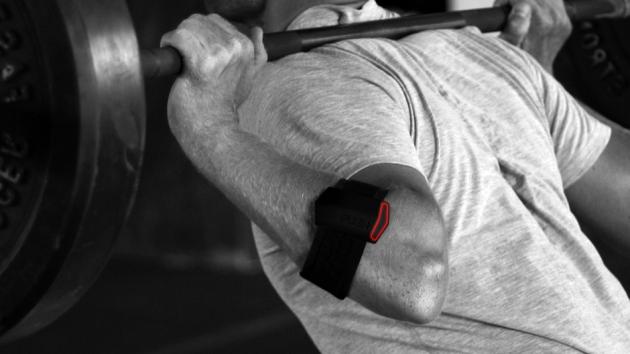
PUSH is here to address that somewhat. It is a wearable fitness gadget that launched on Indiegogo last week, and will retail at $149 and is the first device to measure strength marketed to consumers. PUSH is only meant to be worn in the gym.
"Designing for a specific context is crucial," said co-founder Rami Alhamad, who previously worked in mobile development. The shape, look and feel of PUSH (which can be worn as an armband or on a leg) was designed for an athlete who is training in a gym setting.
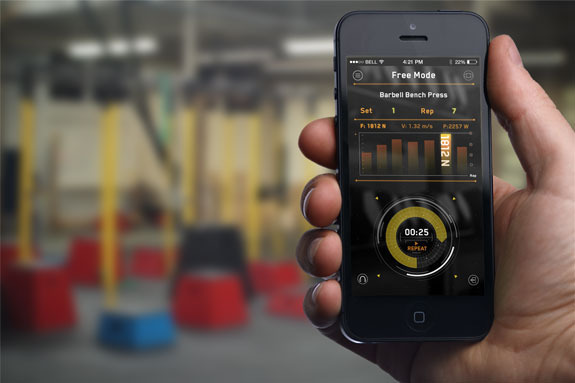
The gadget can track force, strength, balance, tempo and will tell you to use a heavier load depending on your performance and if you are not showing signs of fatigue after several sets. PUSH can track 10 different exercises including squats, dead lifts, kettle bell lifts, pulls ups, push ups and bench presses.
These exercises come with its own set of algorithms. The company says they plan to add more exercises as they go along based on demand.
The device will come with a free iPhone or Android app, as well as a web portal.
PUSH is already halfway to its fundraising goal. Does it sound like something you might benefit from? It's like a PT who knows you better than yourself.