

























































Want A Job To Sleep In Bed All Day? NASA Is Hiring
Sep 24, 2013 20:40
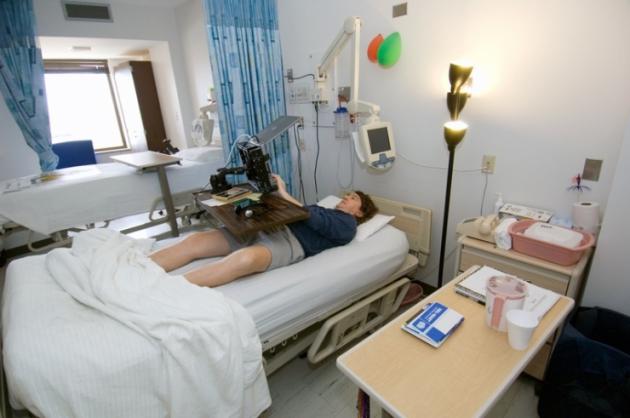
Ever wondered if you could get paid to just sleep in bed all day? Look no further. NASA wants you to do that 24/7 for a handsome price too.
NASA is conducting a study that involves lying in bed tilted for 70 days. The study is meant to help researchers develop methods that will allow astronauts return from space missions to physically adjust to daily life.
Because gravity is non-existent in space, astronauts end up using less energy day in day out. It gets harder and takes longer to get used to regular life on Earth when they return.
The subjects will experience increased circulation to the upper parts of their bodies to simulate zero gravity in space which is help researchers monitor and record cardiovascular behavior throughout the duration of the study.
One group will spend 105 days living at NASA's Flight Analogs Research Unit (FARU), and will be required to undergo different resistance and aerobic exercises while still on bed rest. Another group will spend 97 days lying in bed without any exercise.
There will be a modified shower and bathroom provided when nature calls, and NASA is looking to pay subjects $1,200 per week for participation in the study.
Staying in bed poses a few risks to your health. From the loss of muscle, bone density, and respiratory ability in addition to developing urinary and constipation problems, there's also the risk of going insane from spending way too much time on the bed.
Will it be worth it?
NASA, via CBS News
- nasa,
- sleep,
- bed,
- astronauts,
- space