


















































No Electricity? Graphene Computer Chips Can Run On Light
Sep 17, 2013 18:59
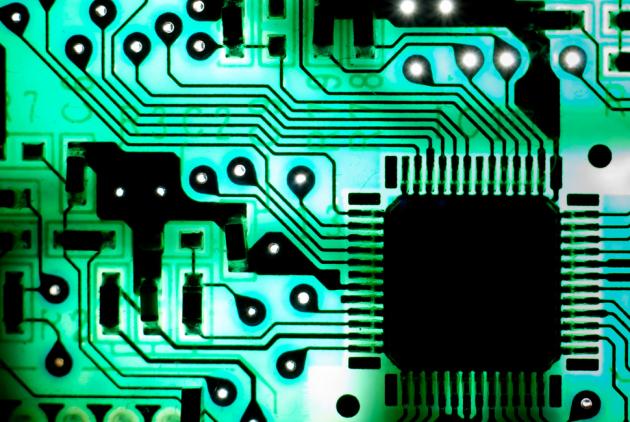
Chips need electricity to operate and scientists haven't quite figured how to make the leap to more futuristic materials. So graphene is poised to solve all of that.
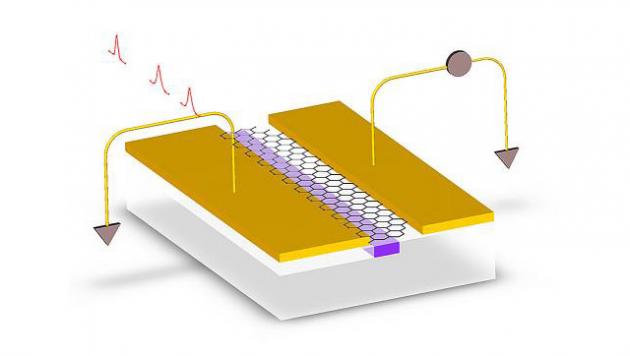
According to a bunch of studies from Nature Photonics, they detail a new technique using graphene as the light friendly base for computer chips. A design by MIT, Columbia and IBM's T.J. Watson Research center calls for a layer of graphene to go over a silicone waveguide and between electrodes. Electrons that are knocked free from incoming light would be converted into electrical energy. This kind of chip would be responsive and fast and also cheaper to manufacture compared to silicone chips.
This is only the beginning for graphene-based computer chips. Could this improve both battery and performance in gadgets? Graphene is really living up to its name. [Nature Photonics via PhysOrg]

A stable wireless connection supports multiple aspects of daily activities. However, the signal strength may get reduced in distant bedrooms, upper floors or balcony spaces. This happens because the intensity of radio waves reduces as they travel through walls, ceilings and furniture. Most of the standard Wi-Fi routers' coverage stays around 140 to 230 square meters. By using the correct steps, you can extend the Wi-Fi network range across your home and office. Read more
It is probably safe to say that the vast majority of us appreciate being able to safely go about our business. We are not looking to cause trouble or have it find us. With that in mind, most of us at least make a minimal effort to secure our homes. But cost can be a factor in determining just how far we go with home security. Read more
The Rewarded Social Outlook for 2026, Anonymous chat is experiencing a transition from a random and unmonitored chat system to a "Rewarded Socializing" system with the initiative led by the C24Club "Chat-to-Earn" platform. Rewarded platforms can improve the average length of chat sessions by 30% and cut toxicity and improve safety cases by 60%. Read more