
















































Apple's iPhone 5S Fingerprint Scanner And How It Works
Sep 11, 2013 17:27
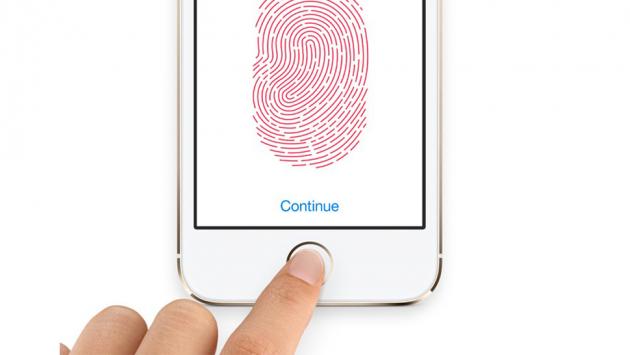
Apple introduced the new iPhone 5S today with a biometric lock saying that it will revolutionize mobile security. That's right. No more "slide to unlock".
Fingerprint authentication is an electro optical and capacitance technology. For EO scanners, it works like a traditional scanner - using bright lights to illuminate the peaks and valleys of the print. A CCD device is used to capture a black and white image, where the whites are peaks and the darks are valleys. If enough intersections match, the identity is verified and access is granted. But this isn't the method being used in Apple's new system.
Apple is using a more sensitive capacitance method, which instead of bouncing light off the print to generate a binary representation, it relies on an array of minuscule capacitive cells, where each less than a finger ridge wide. They consist of two conductor plates separated by an insulating layer.
When you put your finger on the capaciative scanner, the ridges will cause some plates to come into contact which generates a current, while the cells under the ridges on your fingers remain separate. The system interprets that voltage generated to determine which one is under a ridge and which is under a valley.
They combine this data to generate an overall image of the print with a much higher degree of fidelity. Capacitance scanners require an actual fingerprint shape to work making it harder to fake.
What this means
This means you'll probably never have to smear your display with pass codes or swipes. More importantly, someone looking over your shoulder doesn't read your passcode. And it also eliminates a thief guessing your code by all the greasy fingerprints on your screen.
So this means, it's much easier to steal an older iPhone this time round. Apple says its stored security is on the hardware itself, rather than on Apple's servers. [Bioelectronix - How Stuff Works - Patently Apple - Wiki - Onin]