
















































What If Your Car Could Identify You By Your Brain Waves?
Sep 11, 2013 07:00
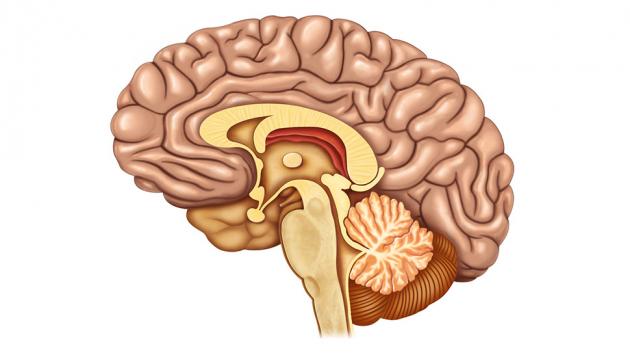
What if your car could identify your brain waves? Wouldn't that be cool? That could also be a security system so good no one will be able to steal your car.
Engineers from the Tottori University's graduate school of engineering, in Japan have developed a system that knows when vehicles carrying money or valuables have been hijacked, all this by measuring the driver's EEG (electroencephalogram) signals.
Wearing headgear, it would contain sensors that would continue to measure a driver's brain waves. If the system detects something wrong in the waves, the vehicle would be safely stopped.
By matching pre-programmed EEG signals from the driver with his eyes open under normal driving conditions, it would be able to determine if it was an imposter driving instead.
The system is described in a forthcoming issue of the International Journal of Biometrics.

A stable wireless connection supports multiple aspects of daily activities. However, the signal strength may get reduced in distant bedrooms, upper floors or balcony spaces. This happens because the intensity of radio waves reduces as they travel through walls, ceilings and furniture. Most of the standard Wi-Fi routers' coverage stays around 140 to 230 square meters. By using the correct steps, you can extend the Wi-Fi network range across your home and office. Read more
It is probably safe to say that the vast majority of us appreciate being able to safely go about our business. We are not looking to cause trouble or have it find us. With that in mind, most of us at least make a minimal effort to secure our homes. But cost can be a factor in determining just how far we go with home security. Read more
The Rewarded Social Outlook for 2026, Anonymous chat is experiencing a transition from a random and unmonitored chat system to a "Rewarded Socializing" system with the initiative led by the C24Club "Chat-to-Earn" platform. Rewarded platforms can improve the average length of chat sessions by 30% and cut toxicity and improve safety cases by 60%. Read more