












































Who Needs Driverless Cars When You've Got A Martin Jetpack
Aug 14, 2013 18:51
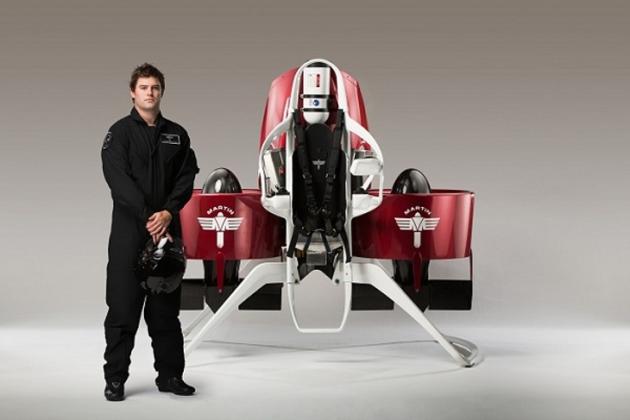
The P12 Martin Jetpack is it's latest, a much more maneuverable design benefiting from a not-so minor improvement in flight stability. The improvements may have led to New Zealand flight regulators issuing the device a flying permit.
That said, the permit is limited, and the jetpack may only fly at a maximum altitude of 20 feet above the ground or 25 feet over water. Except when you think about it, the jetpack can actually do 5,000 feet, as it's done before. Though you'll less likely want to do that to avoid being the bird in the sky that hits the plane.
Martin Aircraft Company's recently-appointed CEO Peter Coker has plans to offer a military and first-responder version of the vehicle for sale by next summer. Civilian models are to follow in late 2015. Just spend $200,000 and it's yours. Yup. Just $200,000.
A stable wireless connection supports multiple aspects of daily activities. However, the signal strength may get reduced in distant bedrooms, upper floors or balcony spaces. This happens because the intensity of radio waves reduces as they travel through walls, ceilings and furniture. Most of the standard Wi-Fi routers' coverage stays around 140 to 230 square meters. By using the correct steps, you can extend the Wi-Fi network range across your home and office. Read more
It is probably safe to say that the vast majority of us appreciate being able to safely go about our business. We are not looking to cause trouble or have it find us. With that in mind, most of us at least make a minimal effort to secure our homes. But cost can be a factor in determining just how far we go with home security. Read more
The Rewarded Social Outlook for 2026, Anonymous chat is experiencing a transition from a random and unmonitored chat system to a "Rewarded Socializing" system with the initiative led by the C24Club "Chat-to-Earn" platform. Rewarded platforms can improve the average length of chat sessions by 30% and cut toxicity and improve safety cases by 60%. Read more