

























































Thinking of Working Offshore in the Wind Industry? This is What You Should Know
Jan 01, 2021 00:42
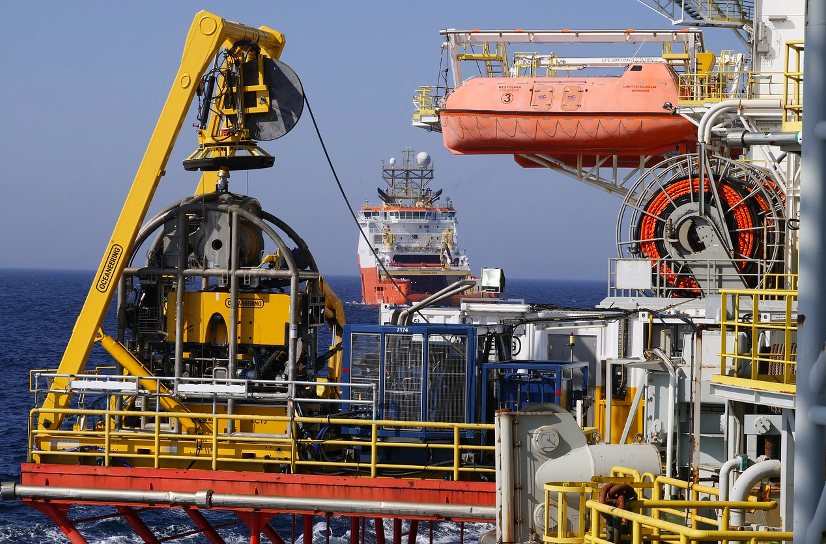
If you’re looking for a new job, it’s possible that you come across job opportunities for the offshore sector, for instance working on wind farms at sea. Because these jobs pay well and usually work with a “two/three weeks of working, two/three weeks off system”, they are very interesting. But before you dust off your resume and start applying, there are a few things you should know!
1. Working offshore isn’t a 9-to-5 job
If you’ve always been used to showing up to work at nine and clocking out at five, working offshore will be a big change. First and foremost: most jobs work with twelve-hour shifts and you can either get the day shift or the night shift. Getting used to working long hours is a big change, but what’s an even bigger change, is that you don’t have weekends when you’re working. Most offshore companies let their employees work two to three weeks straight and then you usually have the same amount of time off, back on the mainland. It depends on the company you work for of course, some companies have rotation periods where you work two weeks and then get a month off, other rotation periods are shorter. Make sure you’re ready to work long days offshore before you apply!
2. The different lifestyle can be hard mentally
When you’re working in a rotation, you’re away from your friends and family for periods of time. And if you for instance have kids and you’re working the day shift, it means you’ll only be able to contact them at night. That’s rough! It can be mentally hard if you’re not used to it. Also important to mention: when you’re on an oil rig or on a ship or somewhere else offshore, it’s usually not possible to go to the mainland for an emergency. If for instance someone in your family has to go to the hospital, you’ll have to wait until your stint is over to go home.
3. Expect a hardcore training
The offshore industry is an industry with lots of dangers. That’s why it’s important to get the right medical and safety training, for instance to be able to escape a helicopter if there’s an emergency or give first aid. There are tons of offshore trainings, depending on the job you’ll have, you might need to follow the Basic Safety Training or one of the more intensive courses. If you for instance think of working in the wind industry, you’ll need a GWO certificate to be able to work.
If the above mentioned reasons don’t scare you, then you’re ready to apply for an offshore job!