























































Six Latest Techs That Help To Reduce Car Accidents
Sep 03, 2019 19:35
In a quickly evolving society, it isn't astonishing to observe various technological inventions that are changing how things are being done. An ever-increasing number of people are creating inventions that target unraveling some basic difficulties that people have faced throughout the years.
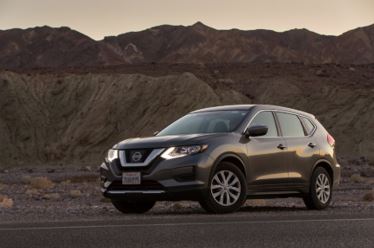
Over the years, the automobile industry has been one of the main areas that have seen quick technological changes. Nobody likes to be in an accident, but if you were the unfortunate one, you shouldn't be hesitant to file a lawsuit for maximum car accident settlement. In this regard, you can seek help from the best Toledo car accident lawyer who can help you get maximum compensation.
However, with the great 21st-century auto-technologies car crashes have reduced incredibly.
Here are six top most technologies that help in controlling accidents.
Adaptive headlights
Great innovation is considered to have limited road mishaps drastically. Adaptive headlights are car headlights that likewise turn when the controlling wheel is turned. If you have driven down a dark street, you likely know how difficult it might be to recognize an approaching vehicle or even a deer out and about. This technology gives you a chance to see what's en route all the times.
Forward Collision Systems (FCS)
Many people will end up in rear-end accidents for the simple reason that they were either looking at their cell or were looking at another side of the road. Through this technology, a car will almost certainly automatically measure the distance between itself and the one in front and decrease the vehicle's speed to minimize the impact of the accident.
Electronic Stability Control
ESC is a breakthrough technology that works admirably at keeping cars from sliding out of control even in hazardous climate. It works by reducing a car's power engine by applying breaks to wheels during a run-rough terrain crash. This technology has demonstrated to be very valuable with the probability that it can avoid about 50% of total car crashes or rolls over.
Vehicle Communication
Self-driving vehicles have been a key focus in the automobile sector. This technology is highly used in cars to have some vehicle to vehicle communication to prevent any crashes. Communication will generally be done using GPS and other new-age sensors being developed.
Traction Control System
It is a great technology that helps get rid of accidents on muddy roads. The traction control system keeps the wheel from turning during times of increasing speed or when the vehicle is starting, particularly on wet road surfaces. This technology is generally not quite the same as the anti-lock braking system which targets counteracting the locking of brake pads by gradually decreasing the braking pressure applied. To ensure the wheels of a vehicle don't spin unexpectedly when a person is driving off on a slippery surface, the torque of each wheel is diminished simultaneously.
Lane departure warning
Lane departure is likewise a recent technology that goes for either alerting the driver or taking control of the vehicle. For lane departure prevention, the driver will get an alarm on the dashboard or a few signals when the vehicle begins to drift from its path. Lane departure warning, on the other hand, will attempt to control the vehicle into the right path if it begins to veer off its path.
Conclusion
Auto- technologies have decreased the number of car accidents the world over. With these and upcoming technology and innovation, car accidents will diminish significantly.