Everyone's Touchscreen Habits Are Unique. Could be Used as Passwords
Apr 18, 2014 18:45
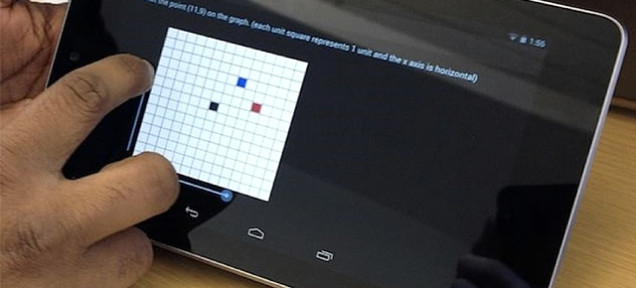
All those random taps on your touchscreen display might not be so random after all. There could be a pattern to it. The way you interact with it is so unique that the researchers from Georgia Tech have created a software that can lock down your tablet if someone else is using your machine.
The LatentGesture system constantly monitors how a user interacts with a touchscreen device. And over time, it can generate a "touch signature" for them. If someone foreign uses your machine, the system will spot the difference in the movements. After that it gets locked down.
The system has been found to be nearly 98 percent accurate when used on smartphones and 97 percent accurate with tablets. For now, we'll have to wait if this sort of security could come to smartphones or tablets. [Georgia Tech via Pocket-lint]
When a digital agency sells organic optimization as an isolated, standalone service, clients often view it as an optional, technical expense that can be easily chopped during tight budget months. Shifting your sales strategy to package search strategy directly alongside web design, paid advertising, or social media management completely changes how local businesses view your operational worth. Instead of being seen as a tech vendor executing isolated tasks, your firm steps into the role of a comprehensive growth partner responsible for their entire digital pipeline. Read more
Running a boutique digital marketing agency means you are always on the lookout for smart ways to increase your recurring revenue without crushing your team under a mountain of extra work. Your existing search engine optimization clients already trust you because they see the organic traffic numbers climbing every single month. Read more
You have spent thousands of dollars on a lightning-fast website. It has perfect coding, pristine metadata, and a flawless user experience. Yet, your phone is not ringing, and the foot traffic to your storefront remains quiet. Read more