



















































The Nanoparticles in Consumer Products Might be Messing With Your DNA
Apr 10, 2014 19:18
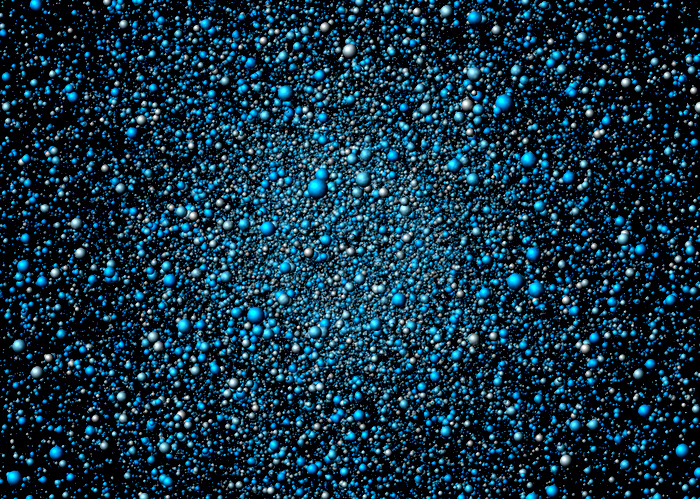
Everyday products are causing us more worries than usual in this day and age. Say no to BPA, they say. And now, a new study is saying that stuff from cosmetics to clothing contain nanoparticles that lengthen shelf life, kill microbes and could possibly be damaging your DNA. Great.
The researchers from Harvard's School of Public Health's Center for Nanotechnology and Nanotoxicology reported that silver and zinc oxide nanoparticles appear to cause substantial damage to DNA. Scientists used high speed screen technology to analyze progressive DNA damage from exposure to the particles.
They found that zinc oxide and silver produced the greatest DNA damage, and at a concentration of 10 micrograms per milliliter they generated a large number of single-stranded DNA breaks.Bevin Engelward, a professor of biological engineering at MIT, explains:
"The biggest challenge we have as people concerned with exposure biology is deciding when is something dangerous and when is it not, based on the dose level. At low levels, probably these things are fine. The question is: At what level does it become problematic, and how long will it take for us to notice?"
What does this mean? Aren't these things in just about everything? Read on for the research here: [MIT]