























































We May Just Be Pre-Programmed to Obey Robots [VIDEO]
Mar 19, 2014 20:05
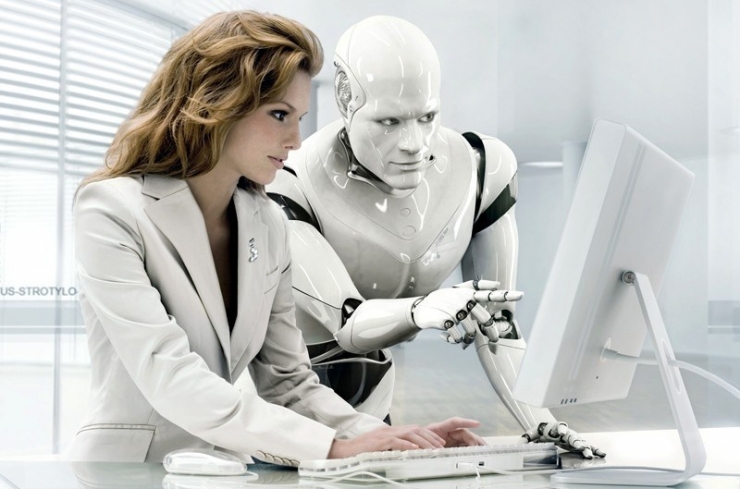
A robot future is upon us, and in that future, we may not exactly be in control. The reason for that? We may be programmed to obey our robot overlords after all.
According to a study carried out at Univeristy of Manitoba's Human-Computer Interaction (HCI) lab, subjects are willing to obey a robot's commands, even when they thought the commands were unreasonable.
The test included an 80 minute series of tasks, and half of the test subjects were seated in a room with a human "boss" while the other half were greeted by a robot.
The human benefited from a number of authority-enhancing props, while the robot did not, but while the human succeeded in getting 86 percent of his test subjects to complete the 80 minute program, the robot managed to do 46 percent.
When asked if they thought of the robot "boss" as a legitimate authority figure, over 70 percent of the test subjects answered in the affirmative.
Check out the video below:
Via University of Manitoba