





















































This Test Will Predict Alzheimer's Three Years in Advance
Mar 11, 2014 18:49

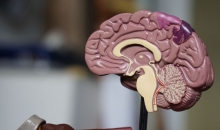
There's a new type of blood test that is capable of predicting the onset of Alzheimer's and it has a 96 percent certainty up to three years in advanced. Developed by scientists from Georgetown University in Washington DC, that figure could soon stretch to decades.
The simple blood test identifies 10 chemicals which are associated with the disease. It already exists to diagnose the condition, but this is the first to predict its onset.
The blood test was developed with data from a group of 525 people aged 70 and over who showed no signs of mental impairment at first. They were given cognitive tests over a five year period, and had blood samples taken. 28 of them developed Alzheimer's over the five years, which was enough to identify the 10 chemicals associated with the disease.
The next step is to make the test even more sensitive—and the researchers hope that it could then be used to predict the onset of the disease 10 or 20 years in advance.
[Nature Medicine via New Scientist]