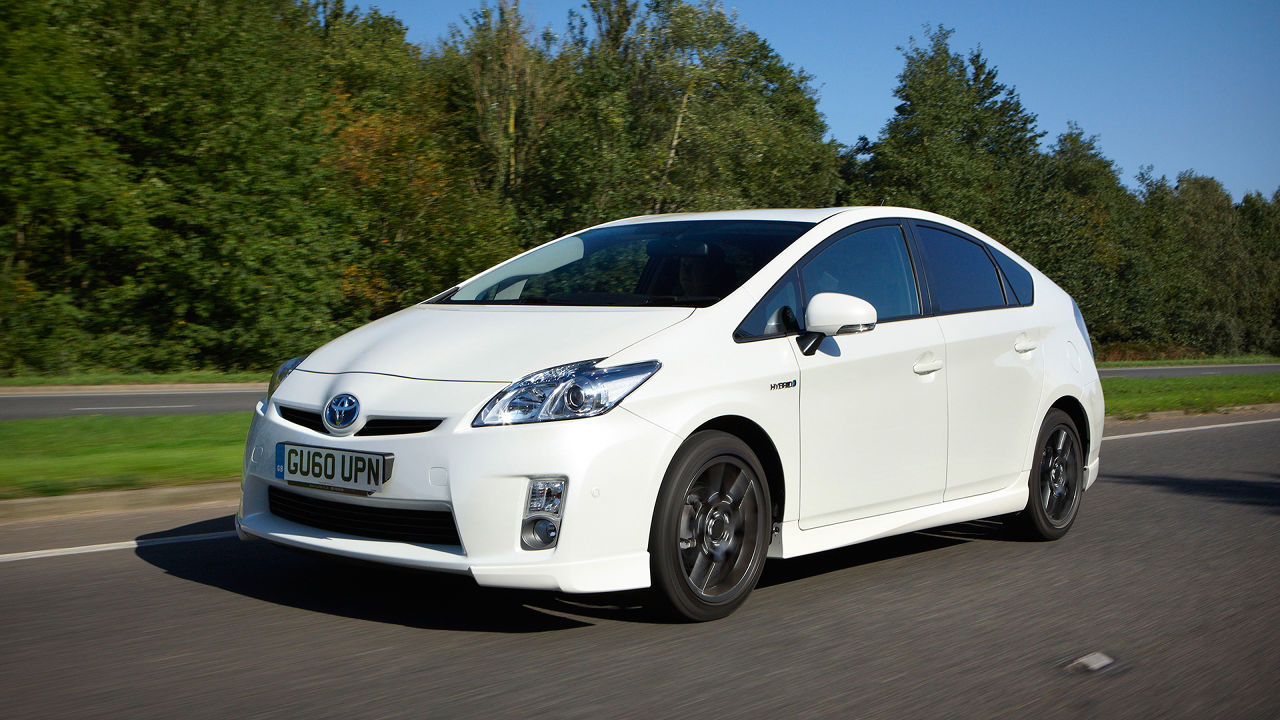
Are you environmentally conscious? Want to buy an electric car to save the planet? Sorry, but it's not going to help.
While Priuses and Leafs are associated with greener living, they actually do little planetary good, according to a
new study. When the impact of electric vehicles are measured in greenhouse gas pollutants, it doesn't do much of a dent. You might be better off keeping your old car.
The researchers looked at 108 scenarios for adopting electric and hybrid vehicles between now and 2050 and used a bunch of combinations from oil prices to vehicle battery costs, incentives and more to measure the impact and effect of carbon emissions.
They found that even with an assumption of electric vehicles adoption rates approaching 50% and above, its effect in carbon emissions was negligible. "The model results do not demonstrate a clear and consistent trend toward lower system-wide emissions as [electric drive vehicle] deployment increases," the paper says.
There are two reasons for this.
First is that lower tailpipe emissions are offset by the impact of increased electricity generation needed to charge the cars' batteries. The second is that any given vehicle emissions are relatively modest, adding up to no more than 20% of their own total carbon emissions.
While the model doesn't take into account improvements like local air quality, it takes a look at implications for climate policy. If the goal is to cut carbon emissions, governments would be better off by introducing a carbon cap altogether, instead of encouraging people to buy EVs.