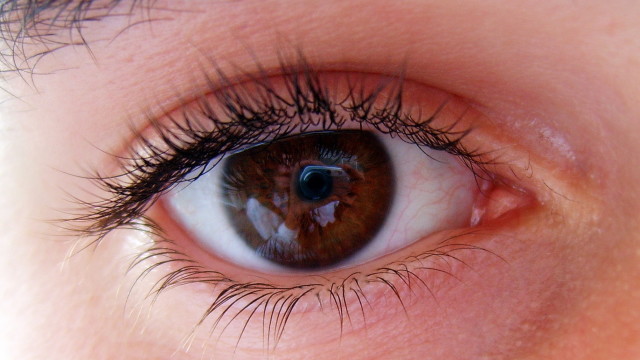
A new form of gene therapy is being developed to help stop blindness. A team of surgeons in Oxford have used it to stop six of their patients from going blind. Will this be able to help everyone?
The six patients suffer from a genetic condition known as choroideremia, which causes light detecting cells at the back of the eye to slowly die. The condition makes the patients struggle to see in low-light conditions, but their sight will gradually decline until most lose their eyesight completely by the time they reach middle age. There is no treatment for this.
But this gene therapy may be able to help. Professor Robert MacLaren and his team have been experimenting with this new technique. They inject functioning copies of the CHM gene, known to be faulty in these patients directly into the retina. The results published in The Lancet shows that it clearly works. It stopped them from going blind.
The researchers
report that two patients not only saw their eyesight stabilize, but actually improve—experiencing huge improvements in their ability to see at night, as well as being able to read three lines further down an optician's sight chart.
Prof MacLaren explained that "[t]he mechanisms of choroideremia and what we are trying to do with the treatment would broadly be applicable to more common causes of blindness."
That means good news for other forms of blindness because gene therapy could be used to treat them in the future. Fingers crossed. Let's hope they get this one right!
[
The Lancet via
BBC Image by
orangeacid under Creative Commons license]