Apple New Patent May Make FaceTime Work Even With Bad Internet
Jan 18, 2014 02:27
Apple has filed a new patent that's pretty simple but very clever. It has never been done before either. The patent suggests that it could insert doctored or pre-recorded images into FaceTime chats on crappy internet connections to keep the conversation going.
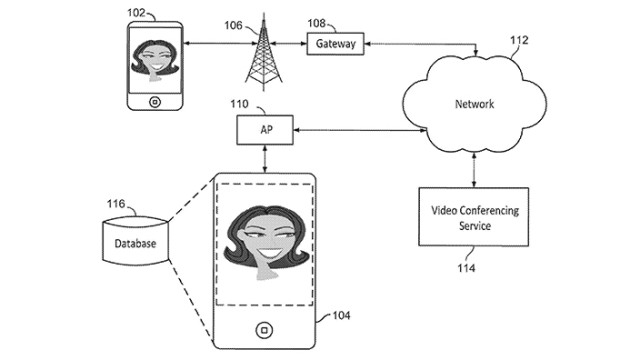
The patent, called "Video transmission using content-based frame search," suggests that video frame data could be used to help reduce the amount of data being sent between devices during video calls.
This could also be possible to track image parameters, like facial features within the video and store them in a searchable database.
If there's bandwidth issues, the devices could send the details of how the frame looks to the server, using less data than sending each frame, allowing it to search for a similar image from earlier in the conversation.
Pretty neat idea, Apple. Make it so! [Apple Insider]

A stable wireless connection supports multiple aspects of daily activities. However, the signal strength may get reduced in distant bedrooms, upper floors or balcony spaces. This happens because the intensity of radio waves reduces as they travel through walls, ceilings and furniture. Most of the standard Wi-Fi routers' coverage stays around 140 to 230 square meters. By using the correct steps, you can extend the Wi-Fi network range across your home and office. Read more
It is probably safe to say that the vast majority of us appreciate being able to safely go about our business. We are not looking to cause trouble or have it find us. With that in mind, most of us at least make a minimal effort to secure our homes. But cost can be a factor in determining just how far we go with home security. Read more
The Rewarded Social Outlook for 2026, Anonymous chat is experiencing a transition from a random and unmonitored chat system to a "Rewarded Socializing" system with the initiative led by the C24Club "Chat-to-Earn" platform. Rewarded platforms can improve the average length of chat sessions by 30% and cut toxicity and improve safety cases by 60%. Read more