The latest data from the National Health and Nutrition
Examination Survey shows that the average American consumes nearly 16 per cent
of his or her calories from protein. This calculates to somewhere
between 70 to 120 grams per person, which is well over the recommendation of .8
grams per kilogram.
So how do you stick to the limit? If you're the type of person who has three meals a day without snacks, then at least 25 percent of your calories ought to come from protein. That means 25 and 37.5 grams of protein for every 400- to 600-calorie meal. If smaller meals are your thing, then you'll need to spread your protein out throughout the day.
Target for at least 15 to 20 grams of protein with each meal, plus 10 grams or more of protein with each between-meal snack. By spreading your protein intake throughout the day, you'll be more
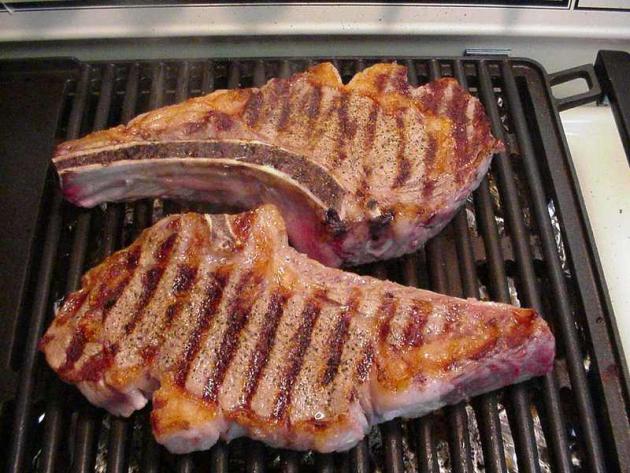
likely to pick options like a 6-ounce filet with some freshly steamed
vegetables instead of just hankering down on a juicy 16-ounce rib-eye.
However, when it comes to maintaining a healthy weight, it's not just about eating the right amount of protein at the right time, but also choosing from the right source. Liquid protein sources like milk might be useful for those worried about not
consuming
"enough" protein, but it doesn't provide the same satiety
benefit found in thicker dairy protein sources such as Greek yogurt.
The
same can be said about overpriced protein-fortified breakfast cereals
which don't really have the same staying power as
non-fortified natural sources.