



















































10 Super-Foods That Will Make You Healthier
Jul 16, 2014 18:04
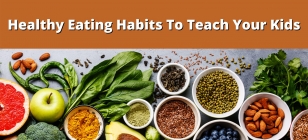
We need to eat more healthily. Period. With so much food being constantly labeled as "fat-free" or made with "no trans-fat" and more, the safest bet to eating healthily is to add some fresh, organic ingredients. Here they are:
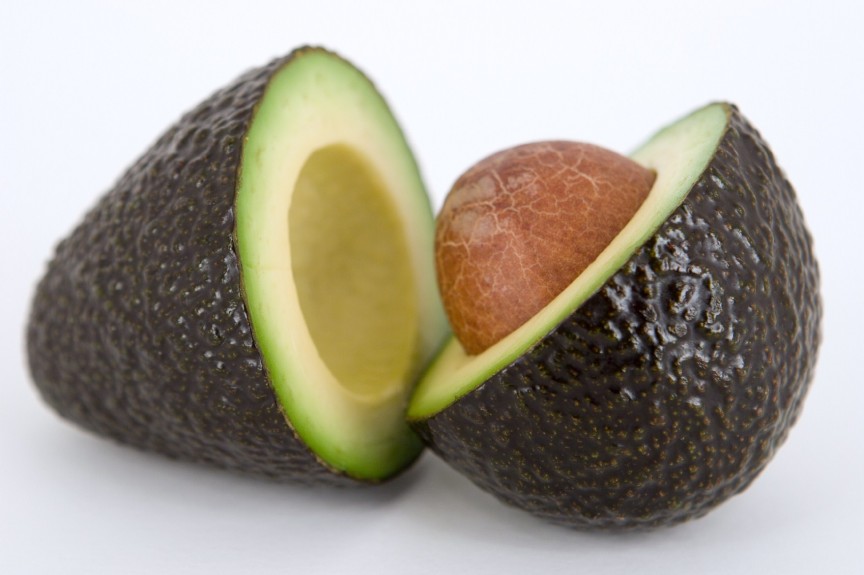
Avocados contain monounsaturated fats, which provide anti-inflammatory benefits.
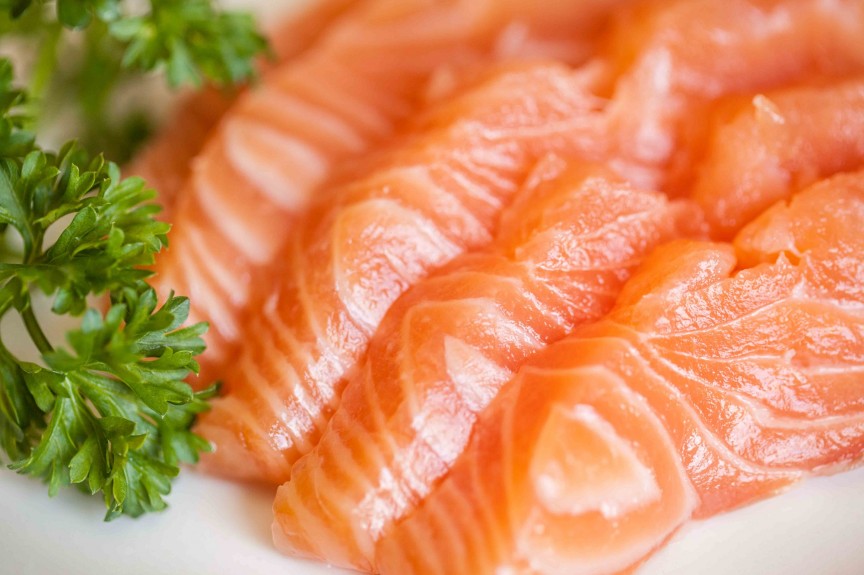
Salmon are packed with omega-3 fatty acids, which is great for balancing a diet that is high in omega-6 fats.
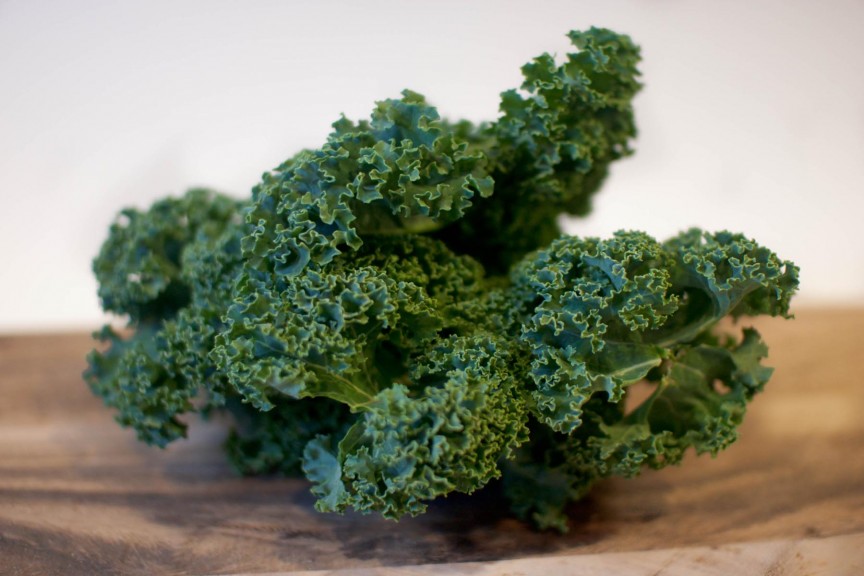
Kale is loaded with vitamin K, vitamin A, vitamin C and it contains manganese and fiber. Vitamin K is important to help our bodies' blood clot properly so we don't bleed out excessively.
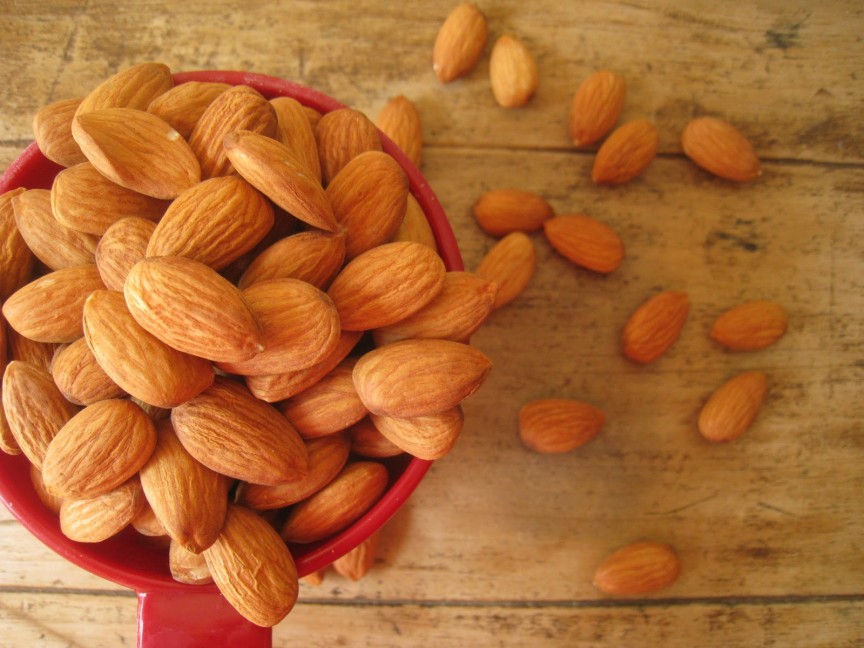
Almonds contain monounsaturated fats, providing the body with anti-inflammatory benefits. They help our bodies fight aging and reduce the amount of LDL-cholesterol - bad cholesterol. They are also packed with antioxidants.
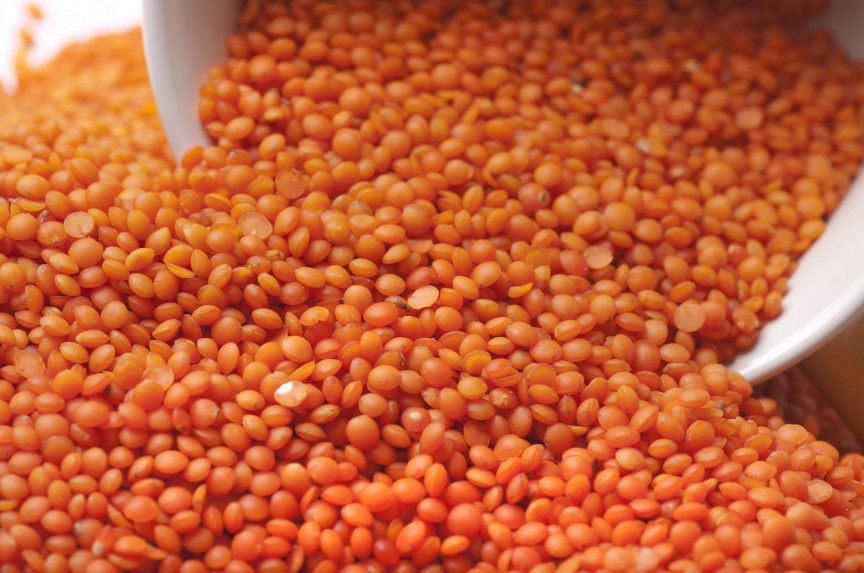
Lentils are loaded with protein and are full of fiber, and contain potassium.
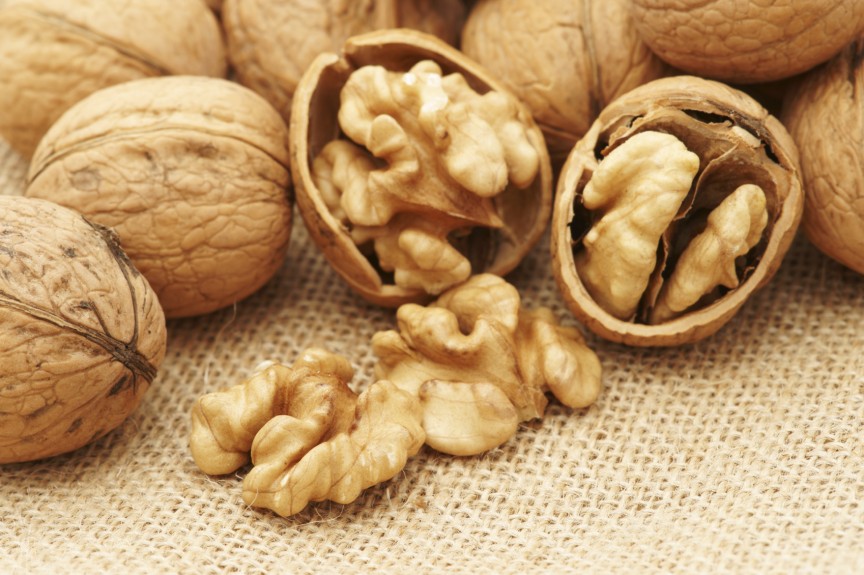
Walnuts are loaded with omega-3 fats, and they lower LDL-cholesterol and improve blood flow.
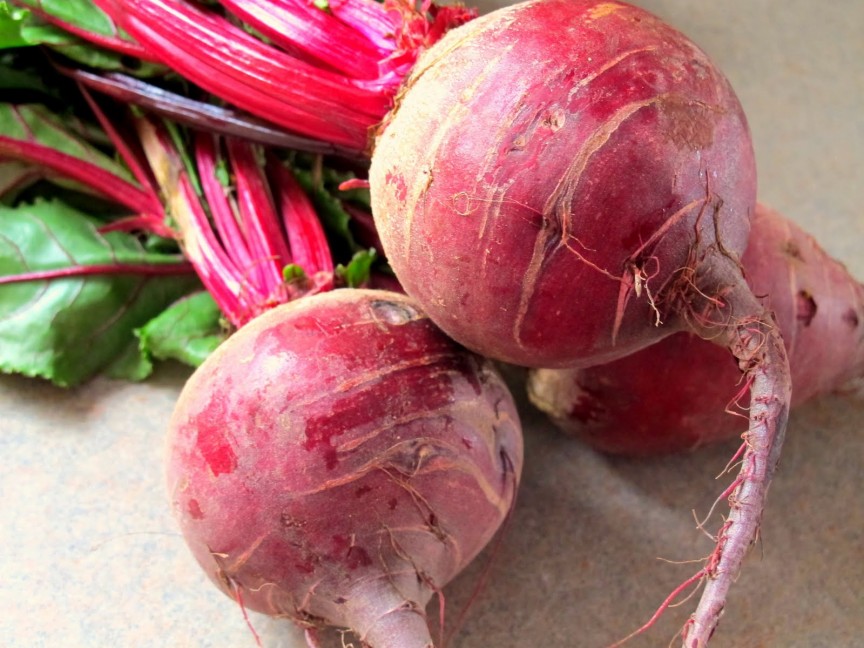
Beets have a range of vitamins, minerals and antioxidants that help our bodies in many ways. They have been shown to provide detoxification and anti-inflammatory support.
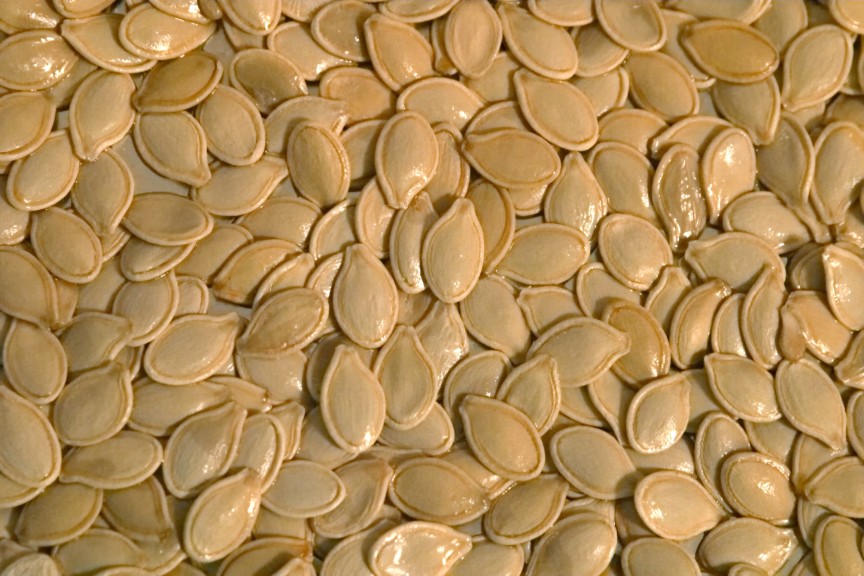
Pumpkin seeds have good fats as opposed to bad fats, which help support bone health, anti-inflammatory benefits and more.
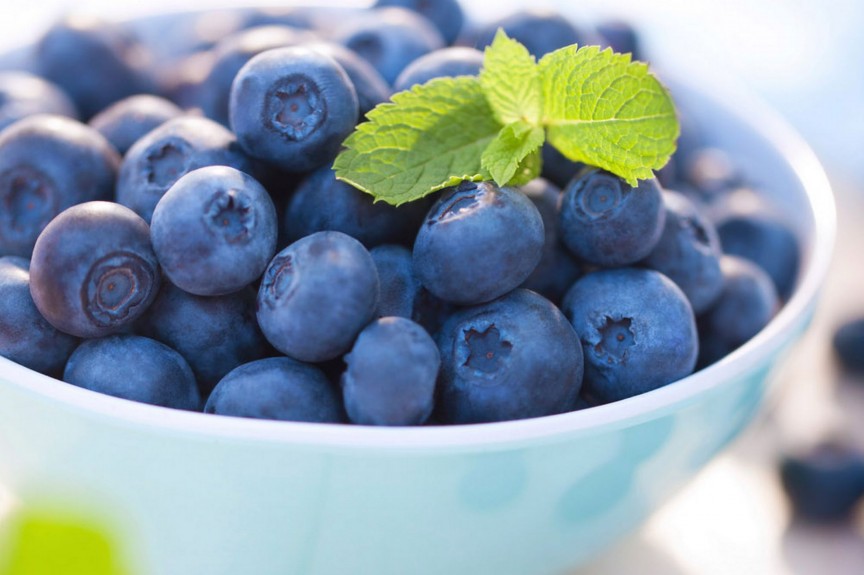
High in phytonutrients, they provide a lot of antioxidant support, and contain Anthocyanins, Hydroxycinnamic acids, Hydroxybenzoic acids and flavonols.
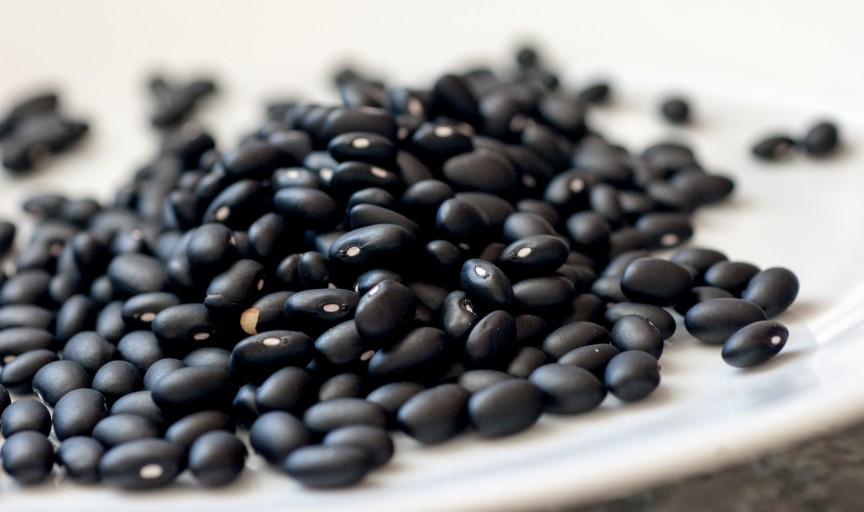
Black beans are packed with protein and fiber and help us stay fuller longer preventing us from snacking further on. Black beans contain a great deal of phytonutrients, such as Anthocyanin flavonoids and Hydroxycinnamic acids.
1. Avocados
Avocados contain monounsaturated fats, which provide anti-inflammatory benefits.
2. Salmon
Salmon are packed with omega-3 fatty acids, which is great for balancing a diet that is high in omega-6 fats.
3. Kale
Kale is loaded with vitamin K, vitamin A, vitamin C and it contains manganese and fiber. Vitamin K is important to help our bodies' blood clot properly so we don't bleed out excessively.
4. Almonds
Almonds contain monounsaturated fats, providing the body with anti-inflammatory benefits. They help our bodies fight aging and reduce the amount of LDL-cholesterol - bad cholesterol. They are also packed with antioxidants.
5. Lentils
Lentils are loaded with protein and are full of fiber, and contain potassium.
6. Walnuts
Walnuts are loaded with omega-3 fats, and they lower LDL-cholesterol and improve blood flow.
7. Beets
Beets have a range of vitamins, minerals and antioxidants that help our bodies in many ways. They have been shown to provide detoxification and anti-inflammatory support.
8. Pumpkin Seeds
Pumpkin seeds have good fats as opposed to bad fats, which help support bone health, anti-inflammatory benefits and more.
9. Blueberries
High in phytonutrients, they provide a lot of antioxidant support, and contain Anthocyanins, Hydroxycinnamic acids, Hydroxybenzoic acids and flavonols.
10. Black Beans
Black beans are packed with protein and fiber and help us stay fuller longer preventing us from snacking further on. Black beans contain a great deal of phytonutrients, such as Anthocyanin flavonoids and Hydroxycinnamic acids.