








































The Ultimate Guide To Mastering Calisthenics at Home
Dec 10, 2020 20:21
Calisthenics is a type of resistance training that uses your body weight to work on your strength and weight loss. Calisthenics workouts use body weight and gravity instead of free weights or gym equipment. The exercises range from fundamental ones like a plank to advance ones like pull-ups. More complicated calisthenics workouts include doing flips using a pull-up bar.
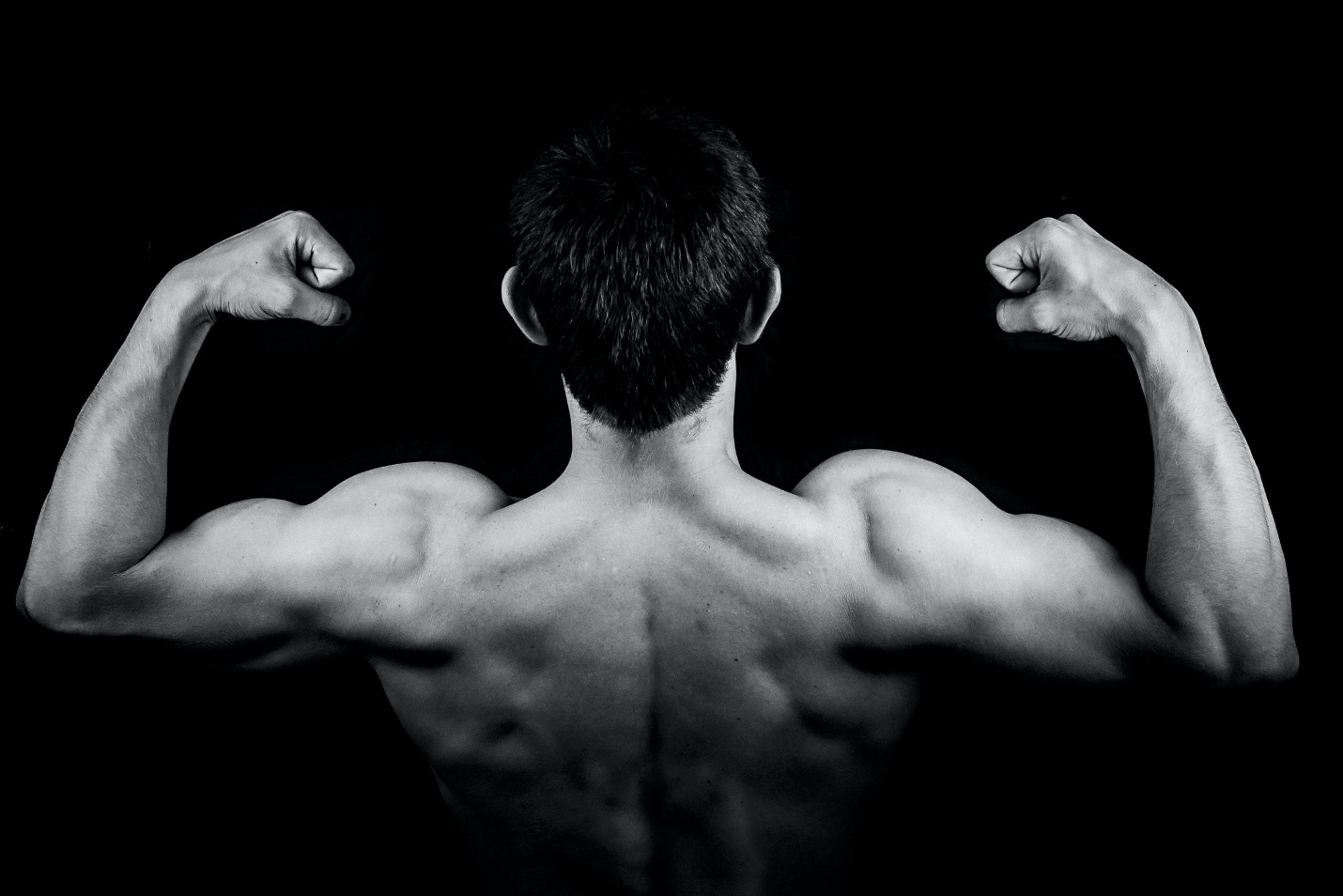
Benefits of Calisthenics Workout
Calisthenics workout has many advantages, not only for the body but also for comfort and lifestyle. Some of the advantages of Calisthenics are:
● It is an excellent form of exercise for beginners.
Many Calisthenics exercises are easy and natural. If you're only beginning to practice, you can learn the correct form comfortably, starting with basic callisthenic exercises before moving on to weighted training.
● It helps you become flexible. You start feeling more free while moving.
Movements in Calisthenics are "functional," which helps you with better body balance, control, stability, and mobility.
● Calisthenics can be practiced anywhere.
Equipment is not required since callisthenic exercises use your body weight as resistance. In other words, you can do Calisthenics almost anywhere, whether you are on vacation or a business trip, in your hotel room, or the garden.
● Calisthenics impacts your full body.
In contrast to some traditional weight exercises, most of them are designed to take your whole body into the movement. This means you are strengthening your whole body, not focusing on individual areas at a time.
Simple yet effective Calisthenics home workout
You must begin with some easy bodyweight exercises when you begin with Calisthenics and then slowly move towards advanced Calisthenics. These comprise of the following:
● Squats
As a beginner, bodyweight squats are the best to start with. It helps to increase your core strength and helps in losing lower body fat. You can either do free squats or use a resistance band around your thighs.
● Lunges
You can make bodyweight lunges either standing in an upright position or do walking lunges. You can even increase the intensity by tying a resistance band around your thighs.
● Crunches
Crunches are great for building strength in your abs. You can start by doing half crunches and gradually moving towards the advanced ones.
● Planks
Planks are a simple exercise that is great for strength, stability, and balance. Start with simple up-planks, and gradually move towards side planks, plank jacks, etc.
● Burpees
Burpees are an excellent exercise to build up the strength of your body and increase your heart rate. This is great for full body work out and weight loss.
● Pull-Ups
Pull-ups are a difficult task. If you are a beginner, put your feet in the band using a resistance band wrapped around the pull-up bar. This will give you more support in lifting your body weight while learning the technique and keeping your body better positioned.
● Chin Ups
Chin-ups are more advanced than pull-ups. It focuses on the biceps and triceps.
Some of the commonly used calisthenics workout equipment
One of the significant benefits of practicing Calisthenics is that equipment is not required. There are many exercises on Calisthenics without equipment, making this a perfect way to work on your body strength at home.
However, you can include a few elementary types of equipment in your calisthenics exercise. Some of the calisthenics equipment that is most widely used are:
● Parallels
● Pull the bar
● Resistance Band
You do not need any workout equipment or a personal trainer, nor do you need a previous fitness experience to start with Calisthenics. The beauty of this form of training, regardless of height, age, sex, experience, or level of competence, is suitable for almost everyone.